
The skin is the largest organ of the human body and also one of the clearest reflections of overall health, hormonal balance, environmental exposure, and daily lifestyle habits. In modern society, skin concerns have become increasingly common due to UV radiation, air pollution, stress, sleep deprivation, unsuitable cosmetics, and unbalanced lifestyles.
Particularly in Asian populations, including Vietnam, the hot and humid climate combined with specific pigmentation characteristics makes acne, post-acne marks, melasma, and post-inflammatory hyperpigmentation more common and often more persistent compared to European skin types.
According to modern dermatology, most skin aesthetic concerns are closely associated with chronic inflammation, skin barrier damage, and the cumulative effects of UV exposure. Therefore, correctly identifying skin concerns and addressing them early with a scientific approach can help reduce the risks of scarring, hyperpigmentation, and premature aging.
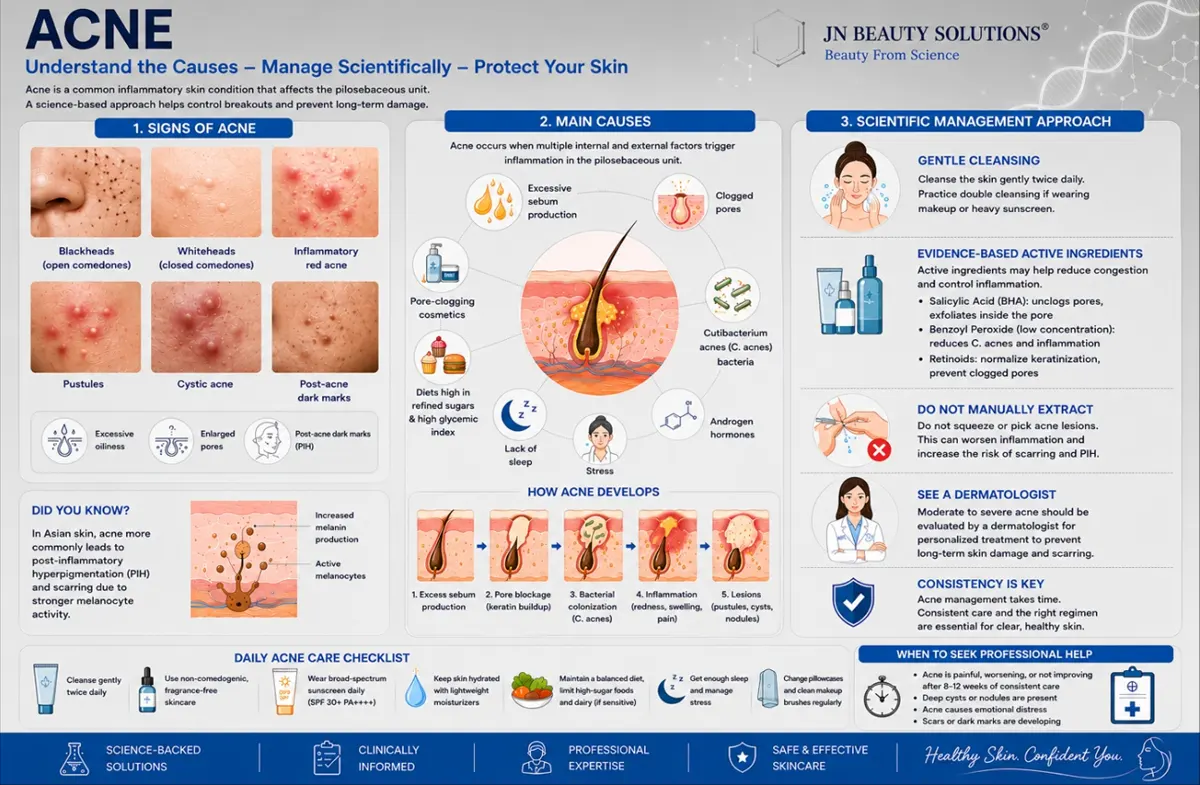
ACNE
- Signs: Blackheads, whiteheads, inflammatory red acne, pustules, cystic acne, or deep nodular acne beneath the skin. Some individuals may also experience excessive oiliness, enlarged pores, and post-acne dark marks.
- Main causes: Acne is an inflammatory disorder of the pilosebaceous unit involving excessive sebum production, clogged pores, Cutibacterium acnes bacteria (formerly known as P. acnes), androgen hormones, stress, lack of sleep, diets high in refined sugars, and pore-clogging cosmetics. In Asian skin, acne more commonly leads to post-inflammatory hyperpigmentation and scarring due to stronger melanocyte activity.
- Scientific management approach: Cleanse the skin gently twice daily and practice double cleansing if wearing makeup or heavy sunscreen. Active ingredients such as Salicylic Acid (BHA), low-concentration Benzoyl Peroxide, or Retinoids may help reduce congestion and control inflammation. Inflamed acne lesions should not be manually extracted because this can increase the risk of scarring and PIH. Moderate to severe acne should be evaluated by a dermatologist to prevent long-term skin damage.
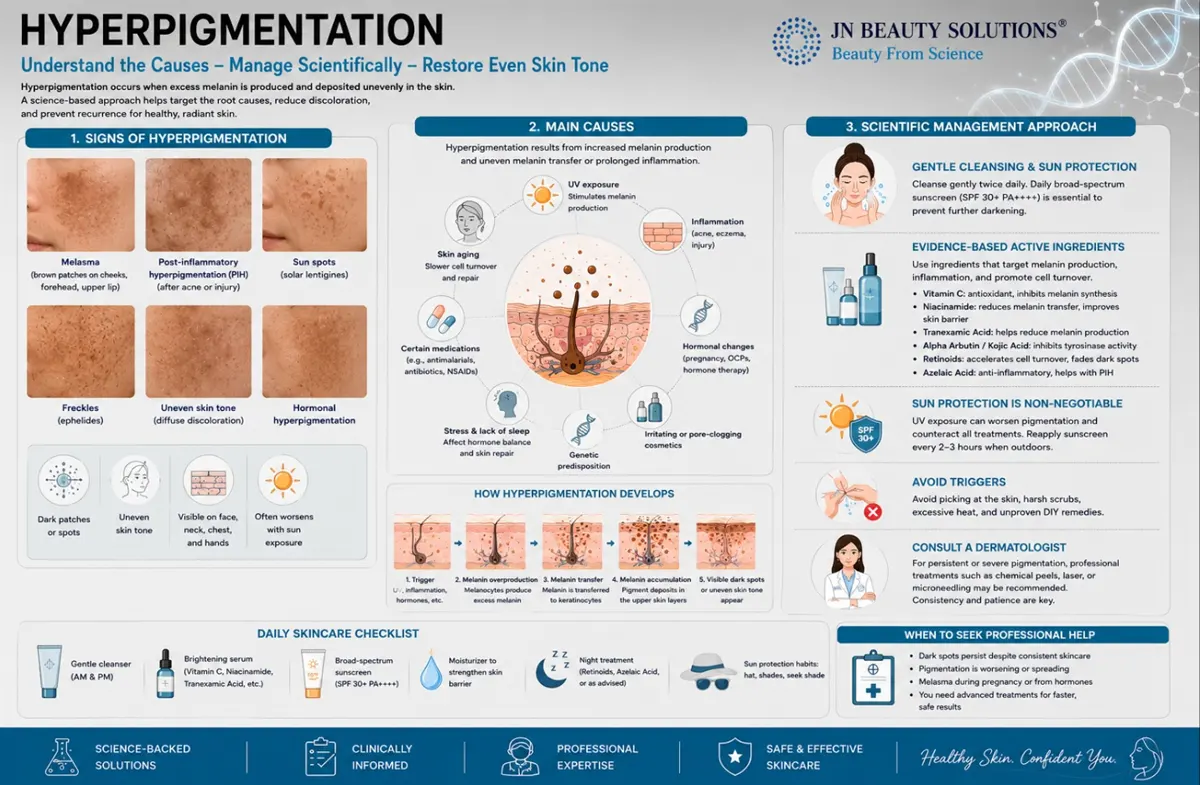
POST-ACNE MARKS & POST-INFLAMMATORY HYPERPIGMENTATION (PIH)
- Signs: Red, brown, or gray marks appearing after acne or inflammatory lesions have healed. Skin tone may appear uneven, and discoloration can persist for weeks to months.
- Main causes: When skin becomes inflamed, melanocytes increase melanin production as a protective response. In Asian skin, this reaction is often stronger, making PIH more likely even after relatively mild inflammation. UV exposure, heat, and picking at acne lesions can prolong and worsen the condition.
- Scientific management approach: Broad-spectrum sunscreen with SPF 30–50 PA++++ is almost essential for effective PIH improvement. Ingredients such as Niacinamide, stable Vitamin C, Azelaic Acid, and Retinoids may help support skin brightening and cellular turnover. However, excessive use of multiple strong treatments simultaneously may cause irritation and worsen PIH.
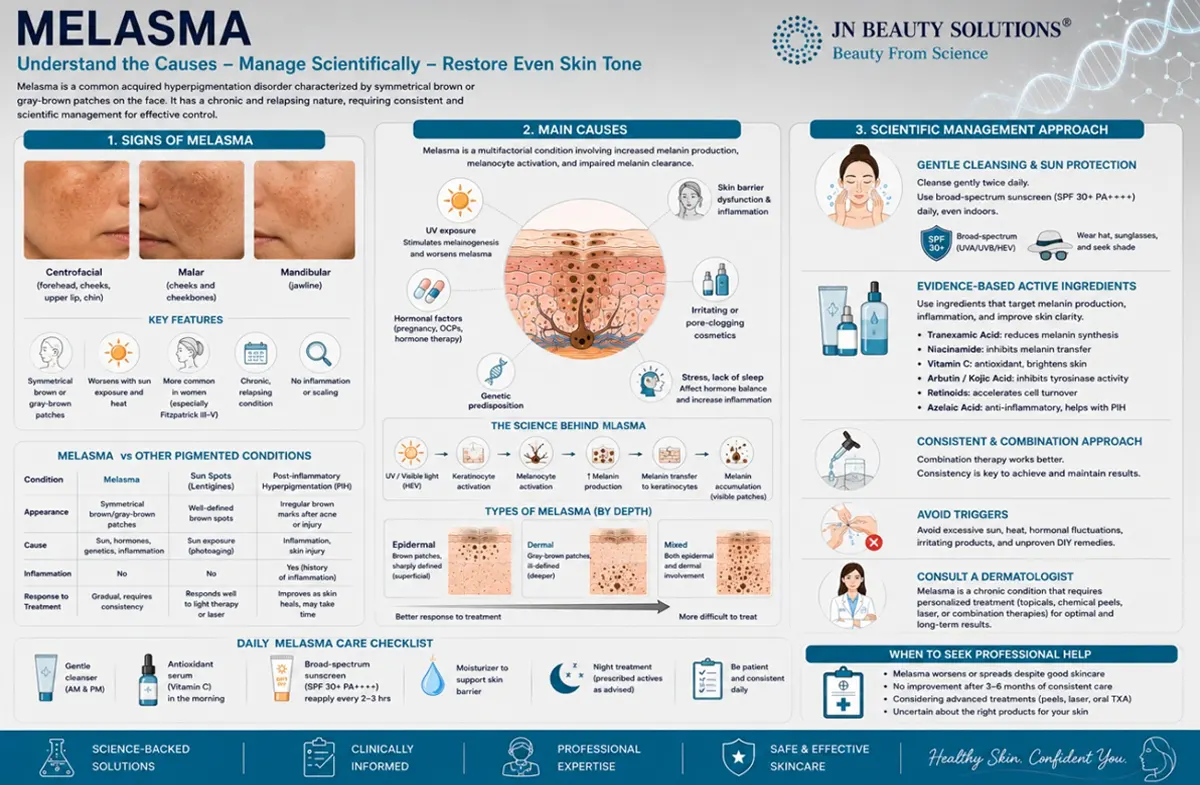
MELASMA
- Signs: Symmetrical brown or gray patches commonly appearing on the cheeks, forehead, chin, or upper lip. Melasma is often persistent and prone to recurrence.
- Main causes: Melasma is a complex pigmentation disorder associated with hormones, UV radiation, visible light exposure, heat, genetics, and low-grade chronic inflammation. Asian women have a higher risk of melasma due to tropical climates and stronger pigmentation tendencies.
- Scientific management approach: Strict sun protection is the foundation of melasma management. In addition to high-SPF sunscreen, ingredients such as Tranexamic Acid, Azelaic Acid, Retinoids, stable Vitamin C, or Hydroquinone (under professional supervision) may help improve pigmentation. Laser procedures or chemical peels may provide additional support, but overly aggressive treatments on Asian skin can trigger rebound pigmentation, causing even more severe hyperpigmentation afterward.
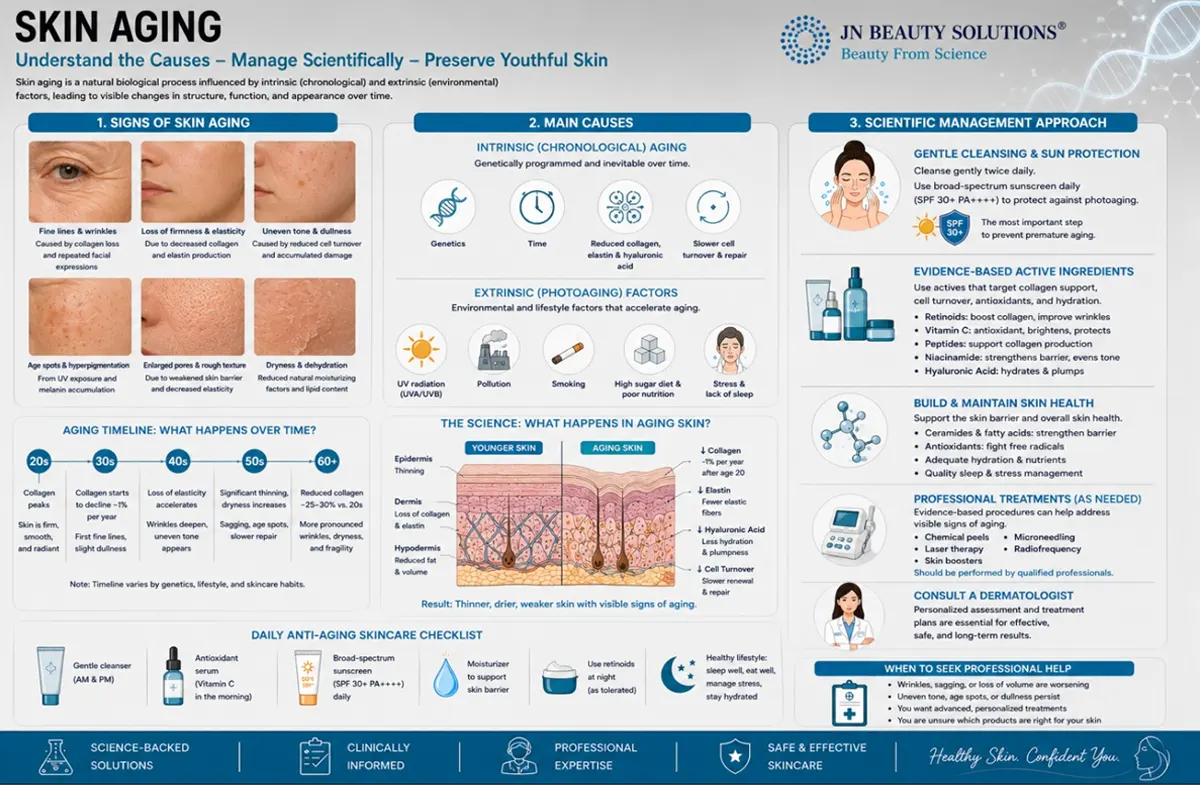
SKIN AGING
- Signs: Wrinkles, skin sagging, dullness, loss of elasticity, enlarged pores, and age spots.
- Main causes: Approximately 70–80% of skin aging is associated with sun exposure (photoaging). UV radiation damages collagen and elastin within the skin. In addition, pollution, oxidative stress, sleep deprivation, smoking, and high-sugar diets further accelerate aging processes.
- Scientific management approach: Daily sunscreen use remains the most important anti-aging step. Ingredients such as Retinol, Retinoids, Peptides, Vitamin C, Vitamin E, and antioxidants help support collagen renewal and improve skin texture over time. Advanced treatments including RF, Microneedling, Laser procedures, or Skin Boosters may be customized depending on age and individual skin conditions.
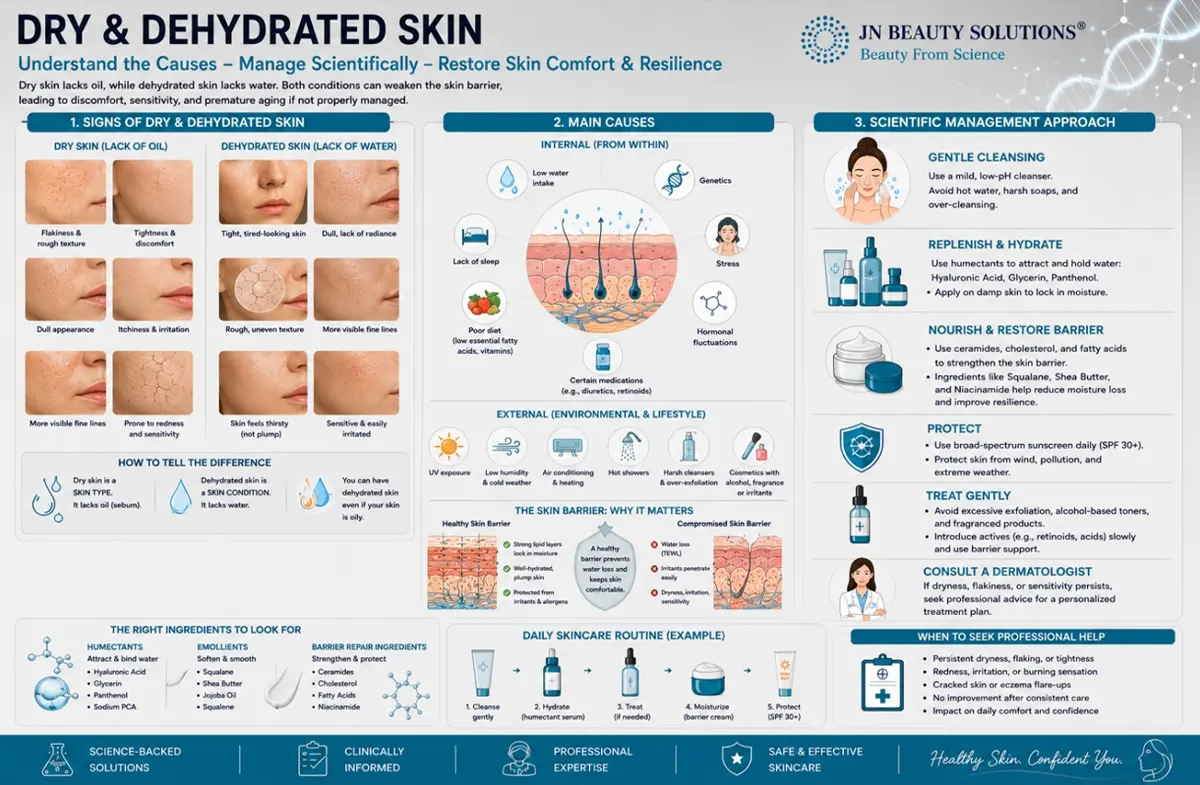
DRY & DEHYDRATED SKIN
- Signs: Tightness, flaking, dullness, sensitivity, and sometimes excessive oiliness while the skin still feels dehydrated internally.
- Main causes: Many people confuse dry skin with dehydrated skin. Dry skin refers to a lack of natural oils, while dehydrated skin refers to insufficient water content within the epidermis. Common causes include harsh cleansing, overuse of active treatments, excessive acid exfoliation, prolonged exposure to air conditioning or cold environments, and damage to the skin barrier.
- Scientific management approach: Focus on restoring the skin barrier using Ceramides, Glycerin, Hyaluronic Acid, Cholesterol, and Fatty Acids. Limit strong treatments during periods of sensitivity and avoid excessive physical scrubbing. Oily skin also requires proper hydration to prevent compensatory overproduction of oil.
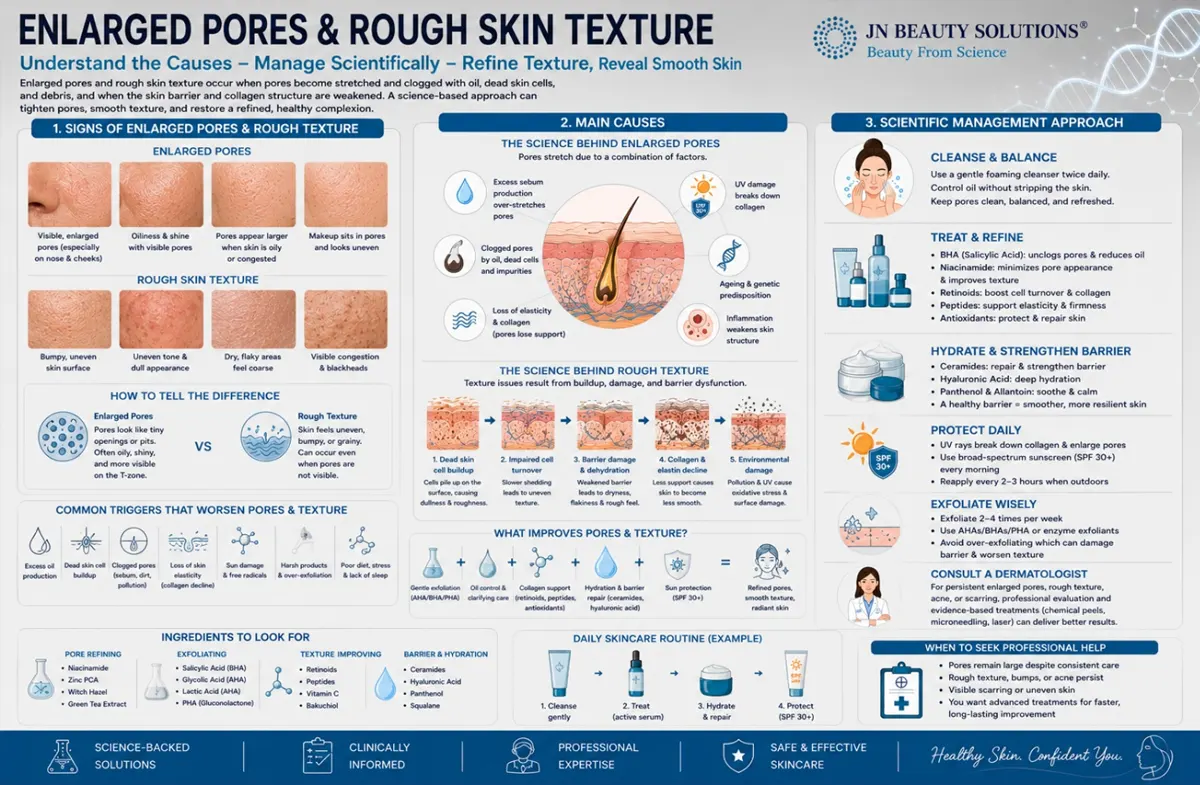
ENLARGED PORES & ROUGH SKIN TEXTURE
- Signs: Visible pores, uneven skin texture, roughness, and congestion-prone skin.
- Main causes: Excessive oil production, buildup of dead skin cells, collagen loss, and sun damage can make pores appear larger. This concern is especially common among oily Asian skin types.
- Scientific management approach: BHA, Retinoids, and Niacinamide may help improve skin texture and support oil control. However, it is important to understand that pores cannot be completely “closed,” but their appearance may be visibly improved. Excessive scrubbing or overuse of pore vacuum devices may increase inflammation and further enlarge pores.
CONCLUSION
Most common skin aesthetic concerns are closely associated with inflammation, UV exposure, and weakening of the skin barrier. Particularly in Asian skin, controlling inflammation and minimizing irritation are extremely important for reducing the risk of PIH, melasma, and premature aging. An effective skincare routine is not about using as many products as possible, but rather about understanding the skin correctly, selecting appropriate active ingredients, and maintaining consistent long-term skincare habits.
The most important principles in modern skincare remain: proper cleansing, appropriate moisturization, skin barrier protection, and daily sunscreen use. If skin conditions become persistent or worsen over time, evaluation by a dermatologist is recommended to avoid complications and long-term damage.
JN Beauty Solutions®, with over three decades of experience in skin aesthetics, is a professional destination providing products as well as scientifically based solutions for restoring, repairing, and improving various skin concerns with a focus on safety and modern skincare science.
Contact us today for a complimentary consultation.
JN Beauty Solutions®
Beauty From Science.