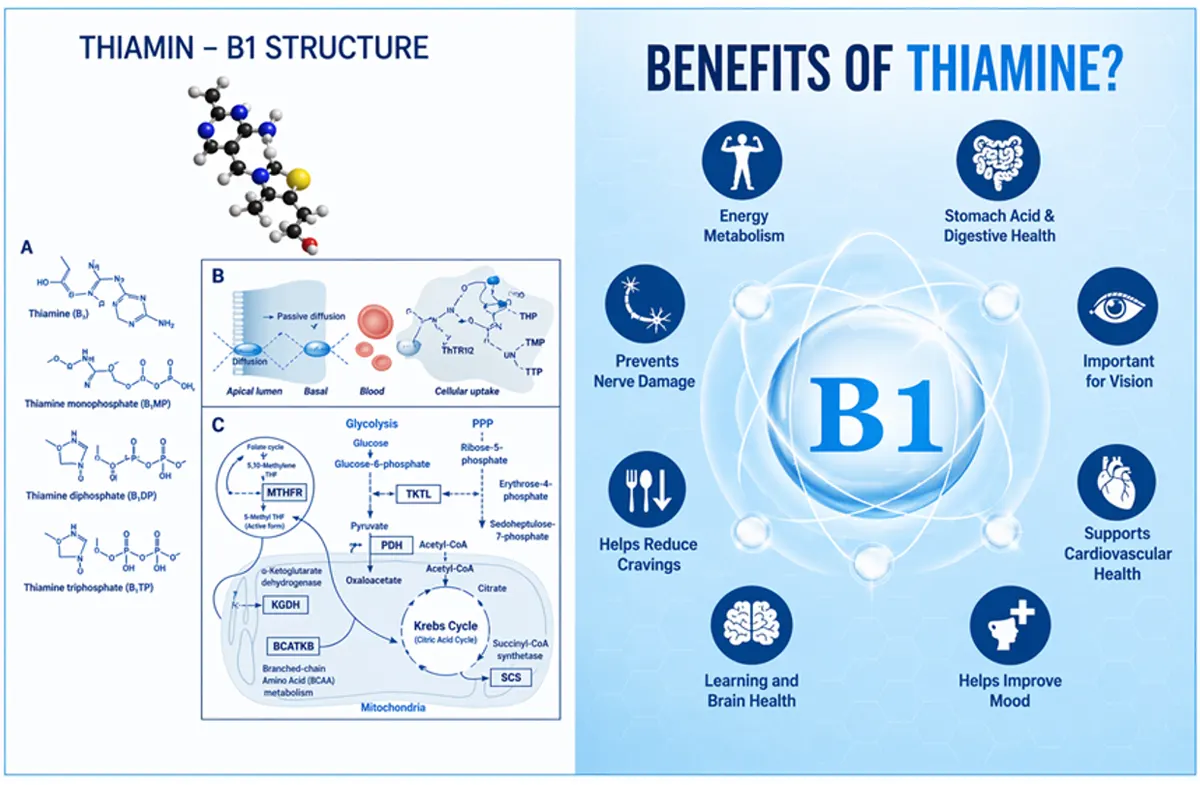
WHAT IS THIAMIN? Thiamin, also known as Vitamin B1, is a water-soluble vitamin essential for energy metabolism, nervous system function, and cellular glucose utilization. As a coenzyme in several key biochemical pathways, Thiamin is indispensable for ATP production, nerve conduction, and muscle function. Although commonly acquired through diet, IV administration of Thiamin provides immediate bioavailability and is critical in treating deficiencies, especially in cases of malnutrition, alcoholism, chronic illness, or post-surgical recovery. MOLECULAR PROFILE Chemical Name:[...]
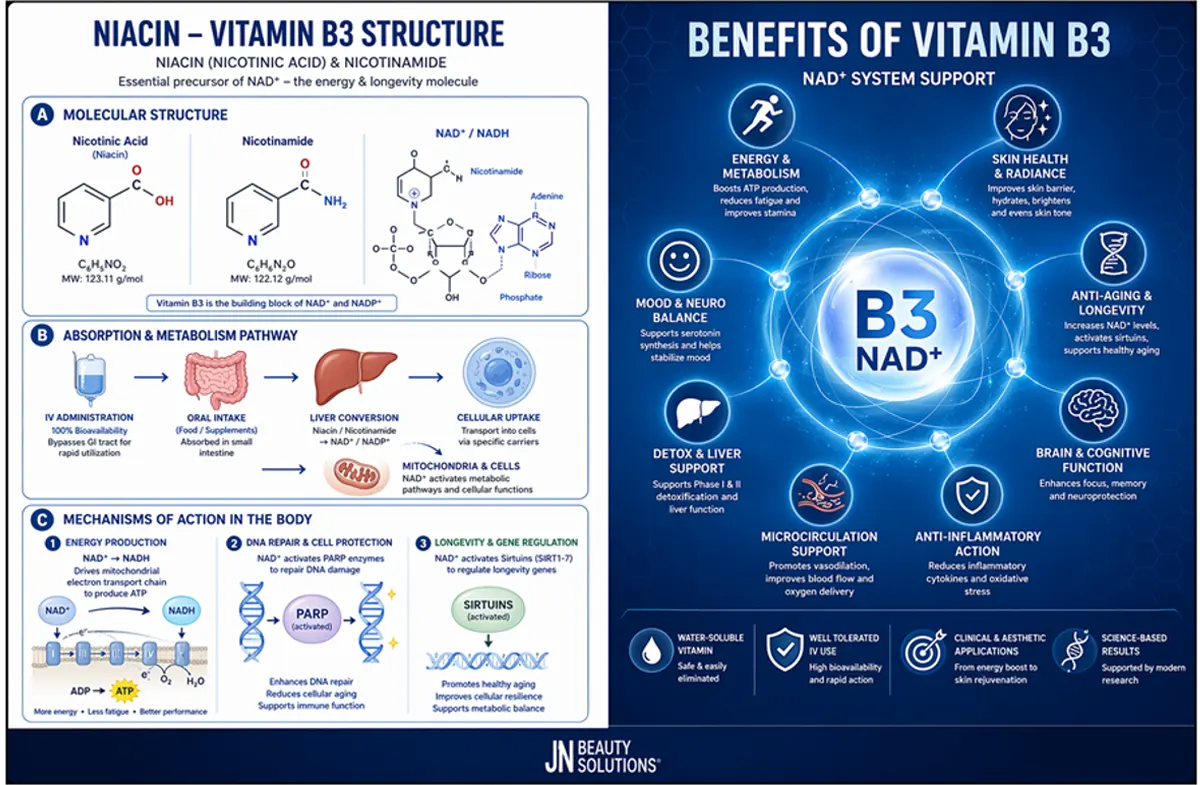
WHAT IS VITAMIN B3? (NIACIN / NICOTINAMIDE) Vitamin B3, also known as Niacin or Nicotinamide, is a water-soluble vitamin essential for cellular energy production, DNA repair, and skin health. It serves as a critical precursor for NAD⁺ (Nicotinamide Adenine Dinucleotide) and NADP⁺, two coenzymes central to mitochondrial metabolism and redox balance. While Vitamin B3 can be obtained through diet, intravenous (IV) administration provides immediate bioavailability, bypassing gastrointestinal limitations and enabling rapid correction of deficiencies, enhanced metabolic performance, and targeted[...]
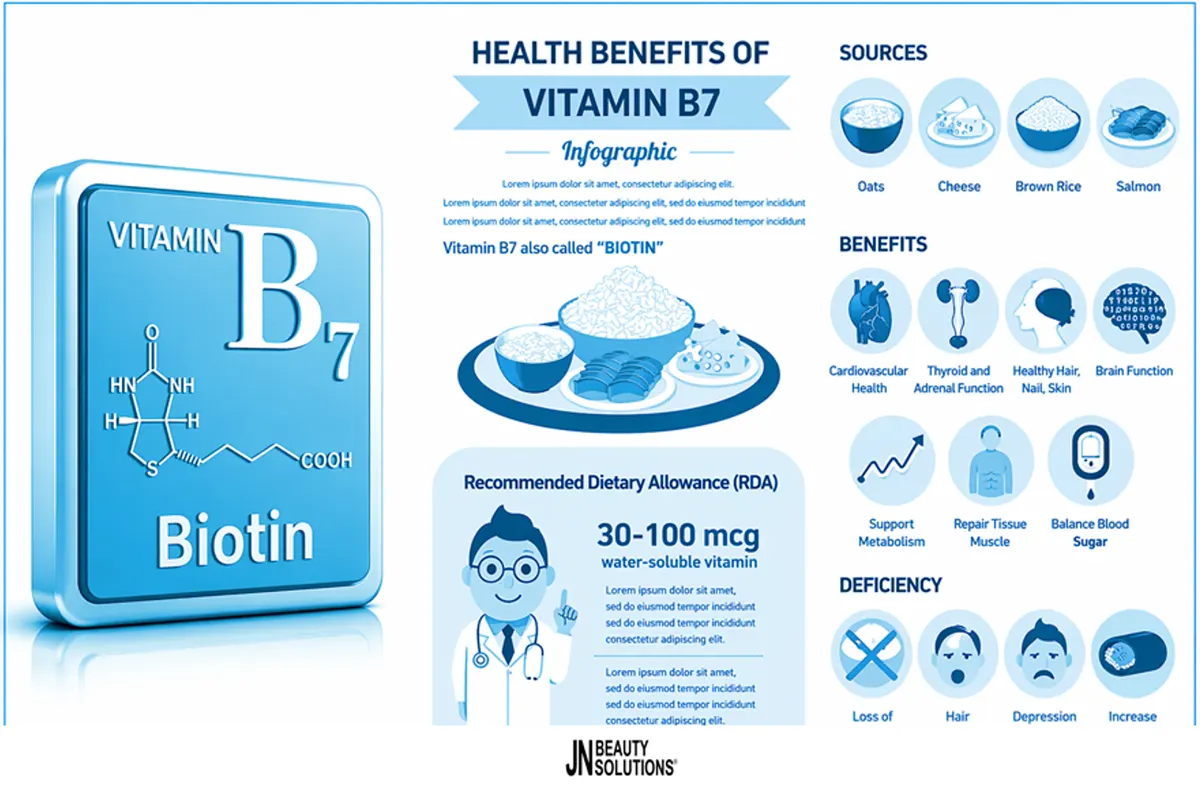
OVERVIEW Biotin, also known as Vitamin B7 or Vitamin H, is a water-soluble B-complex vitamin essential for the metabolism of fats, carbohydrates, and proteins. As a coenzyme, biotin plays a critical role in maintaining healthy hair, skin, nails, nervous system function, and energy production at the cellular level. Biotin deficiency, while rare, can result in hair loss, neurological symptoms, and skin disorders, making supplementation important in certain clinical or aesthetic contexts. It is commonly included in IV nutrient therapy[...]
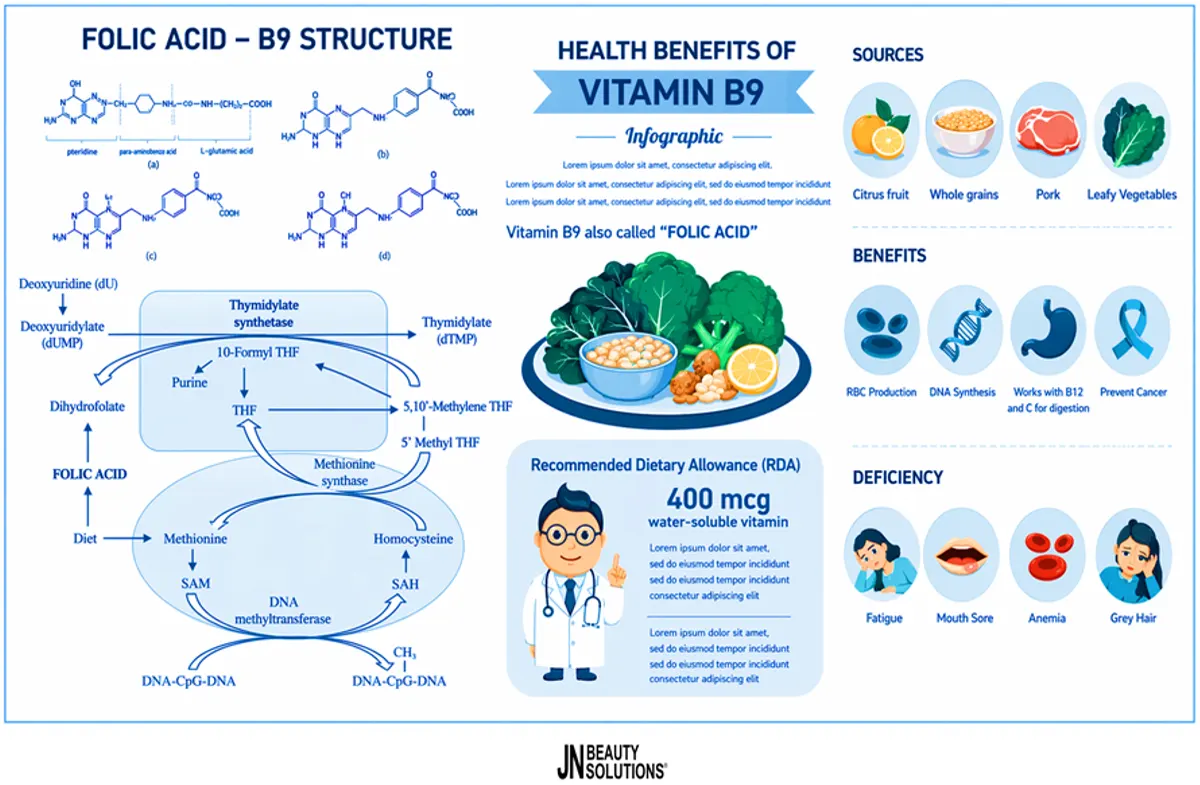
WHAT IS FOLIC ACID? Folic Acid, also known as Vitamin B9, is a water-soluble vitamin essential for DNA synthesis, red blood cell formation, and methylation reactions. It is the synthetic form of folate, naturally found in leafy greens, legumes, and liver. While folic acid is well absorbed orally, IV administration allows for immediate correction of deficiency and support of critical metabolic functions, especially in states of high demand, malabsorption, or chronic illness. Folic Acid is especially important for cell[...]
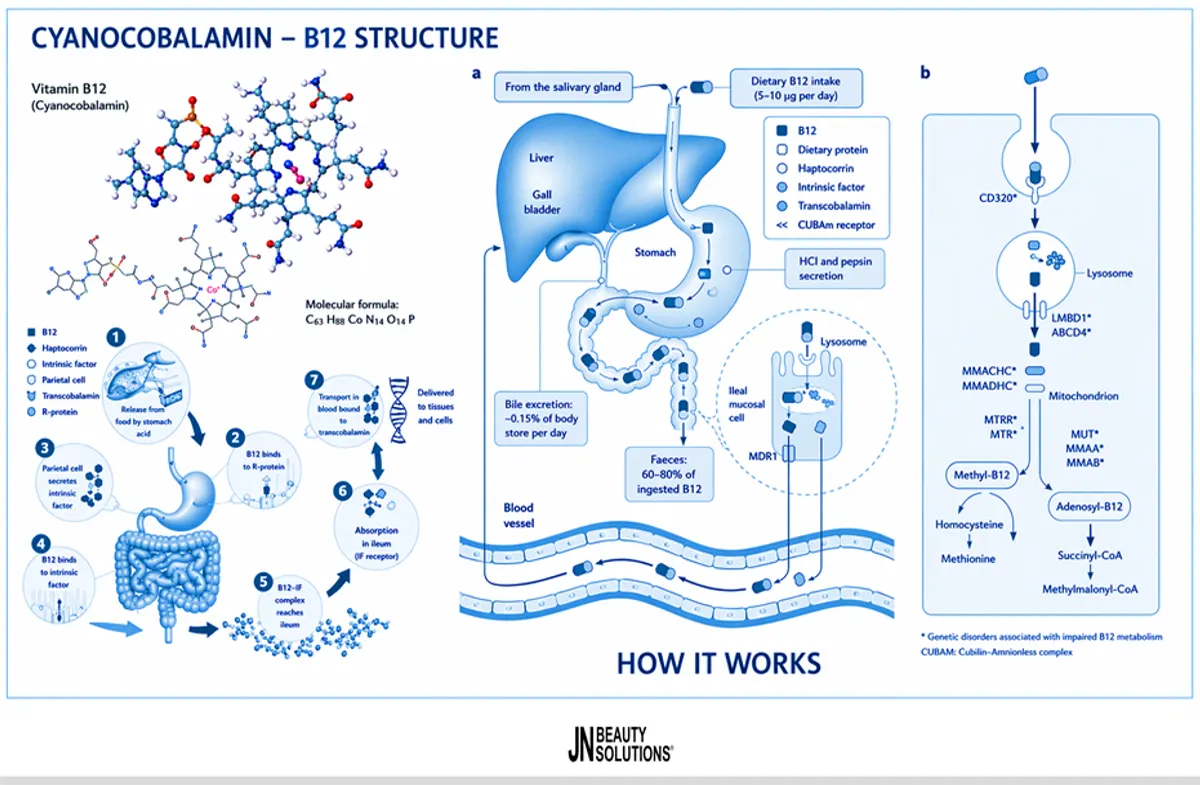
WHAT IS CYANOCOBALAMIN? Cyanocobalamin is a synthetic, water-soluble form of Vitamin B12, essential for red blood cell production, DNA synthesis, neurological health, and energy metabolism. It is the most commonly used form of B12 in supplementation, particularly in intravenous (IV) therapy, due to its high stability and bioavailability. Vitamin B12 is not synthesized by the human body and must be obtained through diet or supplementation. IV B12 allows for direct systemic absorption, bypassing gastrointestinal barriers, making it ideal for[...]
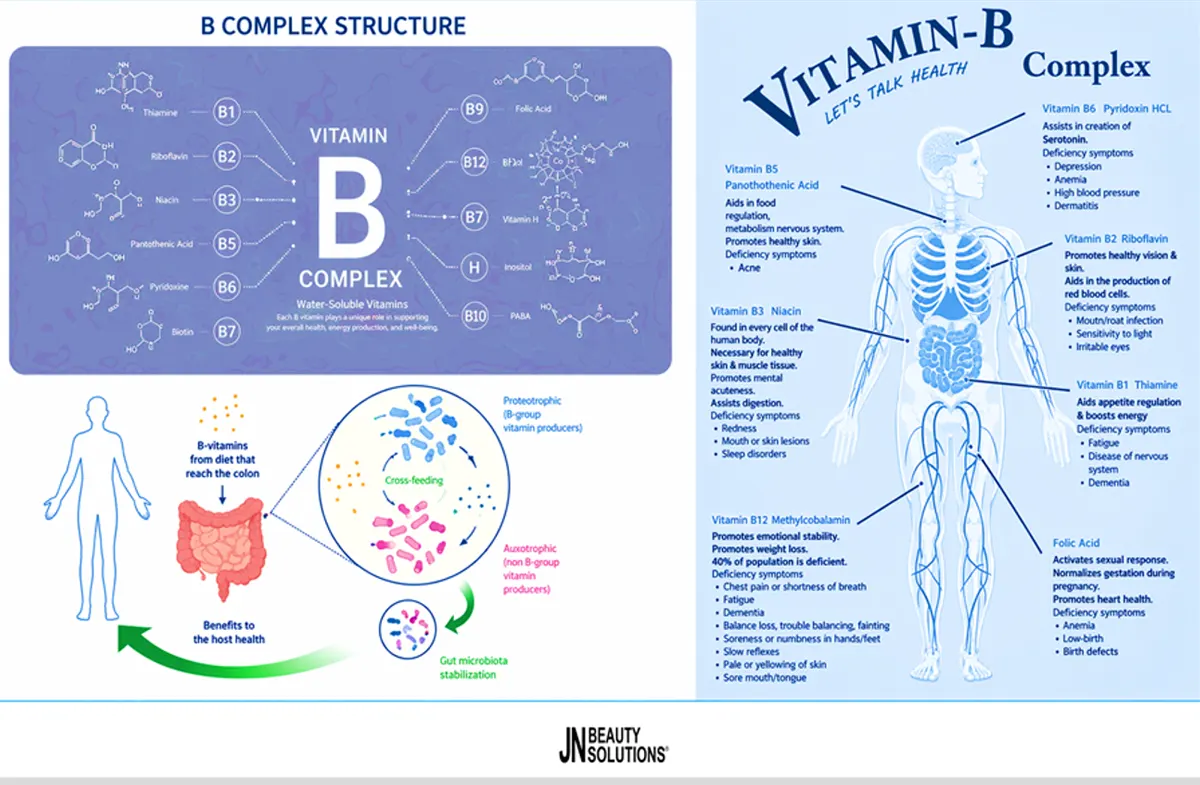
WHAT IS B-COMPLEX? B-Complex is a group of water-soluble vitamins that includes eight essential B vitamins. These vitamins play a crucial role in energy metabolism, maintaining nervous system function, and supporting overall health. THE B-COMPLEX VITAMINS INCLUDE B1 (Thiamine): Supports nervous system and cardiovascular function. B2 (Riboflavin): Involved in energy production and maintains healthy skin and eyes. B3 (Niacin): Helps maintain healthy skin, digestive system, and nervous system. B5 (Pantothenic Acid): Essential for the synthesis of coenzyme A, which[...]
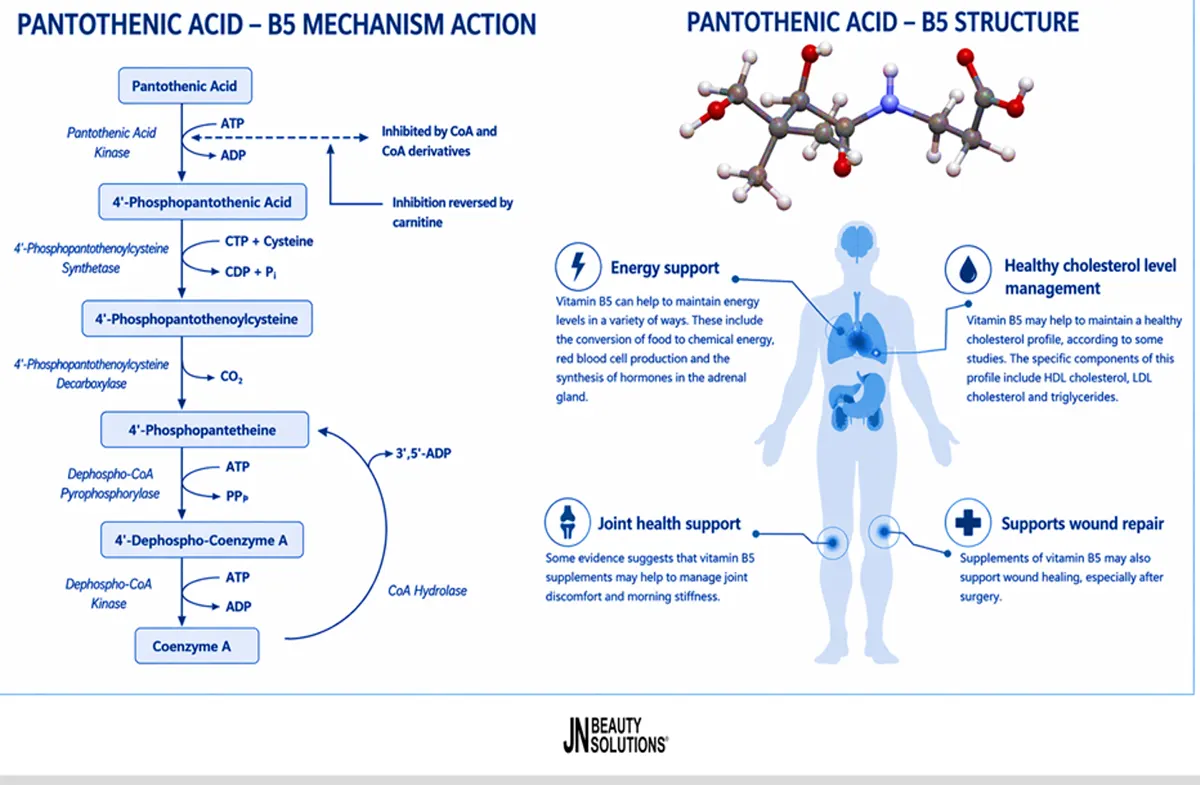
WHAT IS VITAMIN B5? Vitamin B5, also known as Pantothenic Acid, is a water-soluble B-complex vitamin essential for the synthesis of coenzyme A (CoA) and the metabolism of carbohydrates, proteins, and fats. It plays a key role in cellular energy production, hormone synthesis, wound healing, and skin health. While deficiency is rare, IV supplementation is used to rapidly enhance metabolic recovery, adrenal function, and skin regeneration, especially in burns, fatigue syndromes, post-surgical care, and anti-aging protocols. [...]
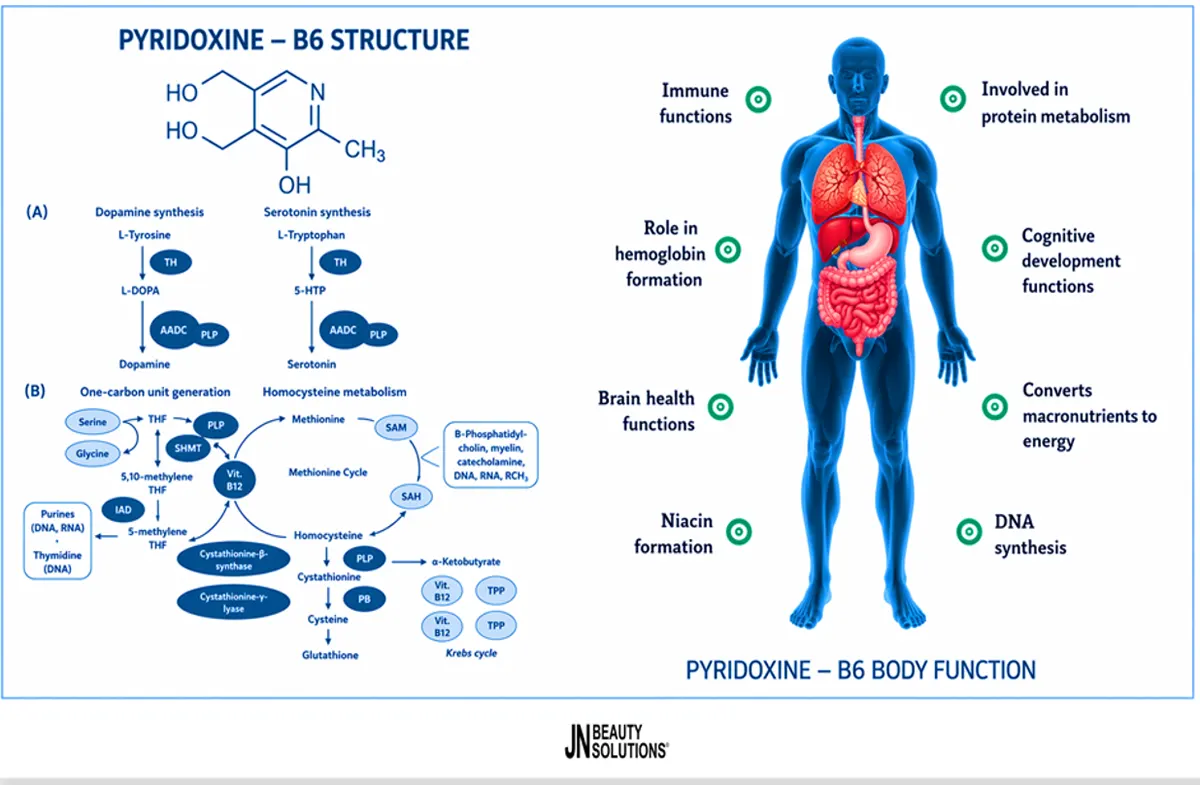
WHAT IS VITAMIN B6? Vitamin B6, also known as Pyridoxine, is a water-soluble B-complex vitamin crucial for neurotransmitter production, amino acid metabolism, and hormonal regulation. In its active form (Pyridoxal-5-Phosphate – P5P), B6 functions as a coenzyme in over 100 enzymatic reactions, especially those involved in protein metabolism, mood balance, and immune function. While oral B6 is widely available, intravenous administration provides direct, bioavailable delivery to tissues—ideal for neurological, hormonal, and metabolic restoration in clinical and wellness settings. [...]
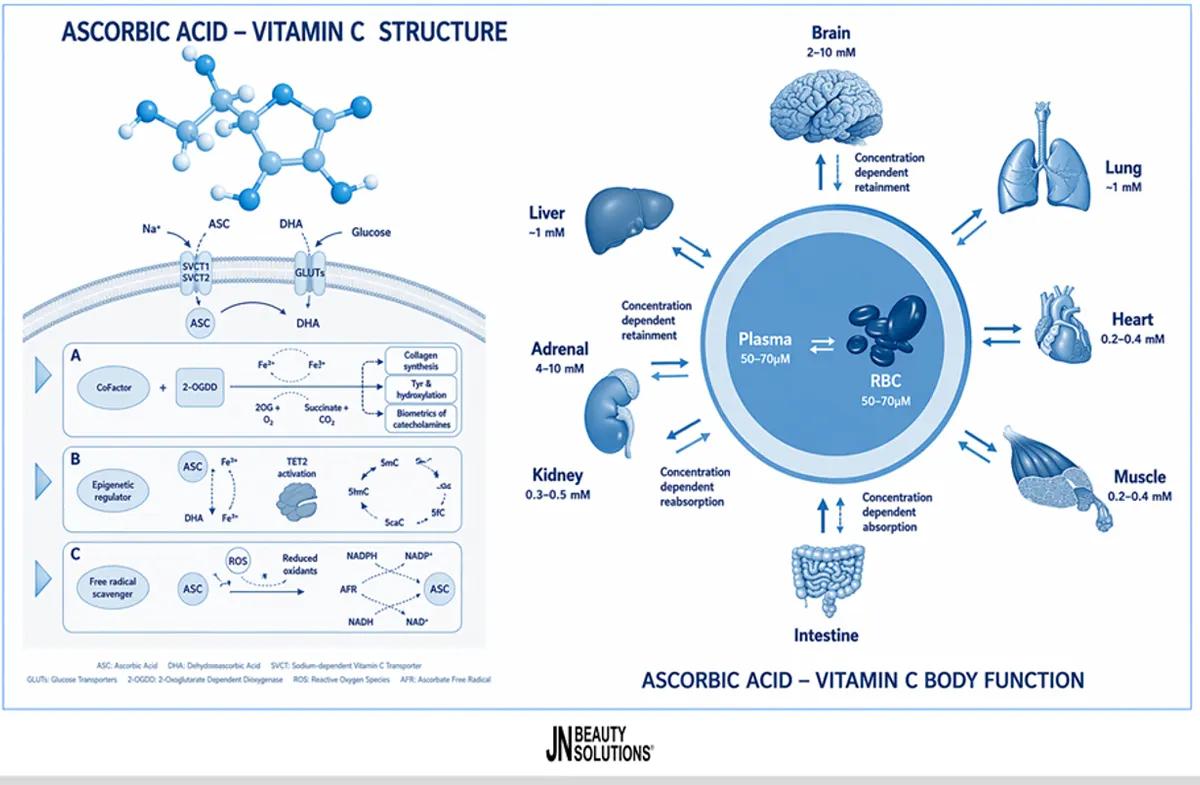
WHAT IS VITAMIN C? Vitamin C, also known as ascorbic acid, is a water-soluble vitamin essential for a variety of physiological functions in the human body. It serves as a powerful antioxidant, a cofactor for collagen synthesis, and a modulator of immune activity. Since the human body cannot synthesize Vitamin C, it must be obtained from diet or supplementation. In IV (intravenous) form, high-dose Vitamin C bypasses intestinal absorption limits, achieving plasma concentrations that provide potent antioxidant, anti-inflammatory, and[...]
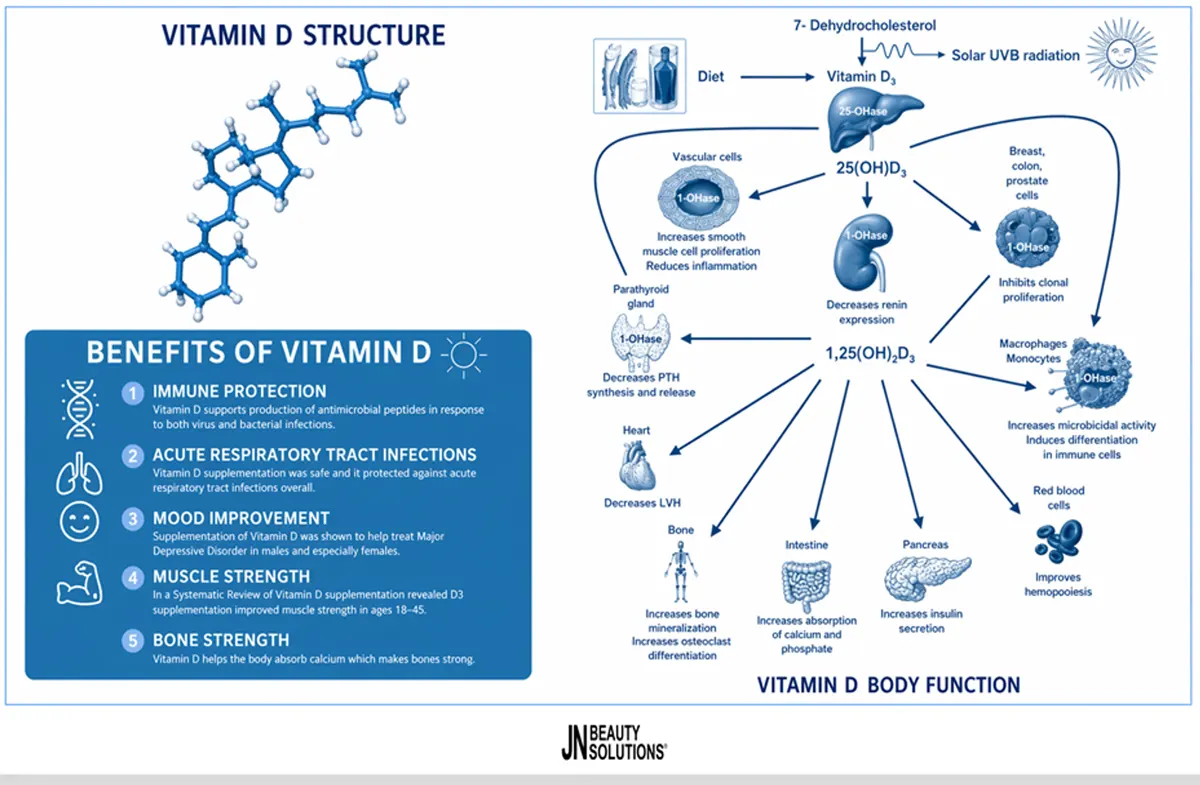
WHAT IS VITAMIN D3? Vitamin D3 (Cholecalciferol) is a fat-soluble secosteroid hormone that plays a critical role in calcium and phosphate homeostasis, bone health, immune function, and cell differentiation. Unlike most vitamins, D3 functions more like a prohormone, requiring conversion in the liver and kidneys to become biologically active as calcitriol (1,25-dihydroxyvitamin D3). While commonly obtained through sun exposure, diet, or supplements, intravenous administration of D3 provides rapid replenishment, particularly valuable in individuals with malabsorption syndromes, chronic illness, or[...]
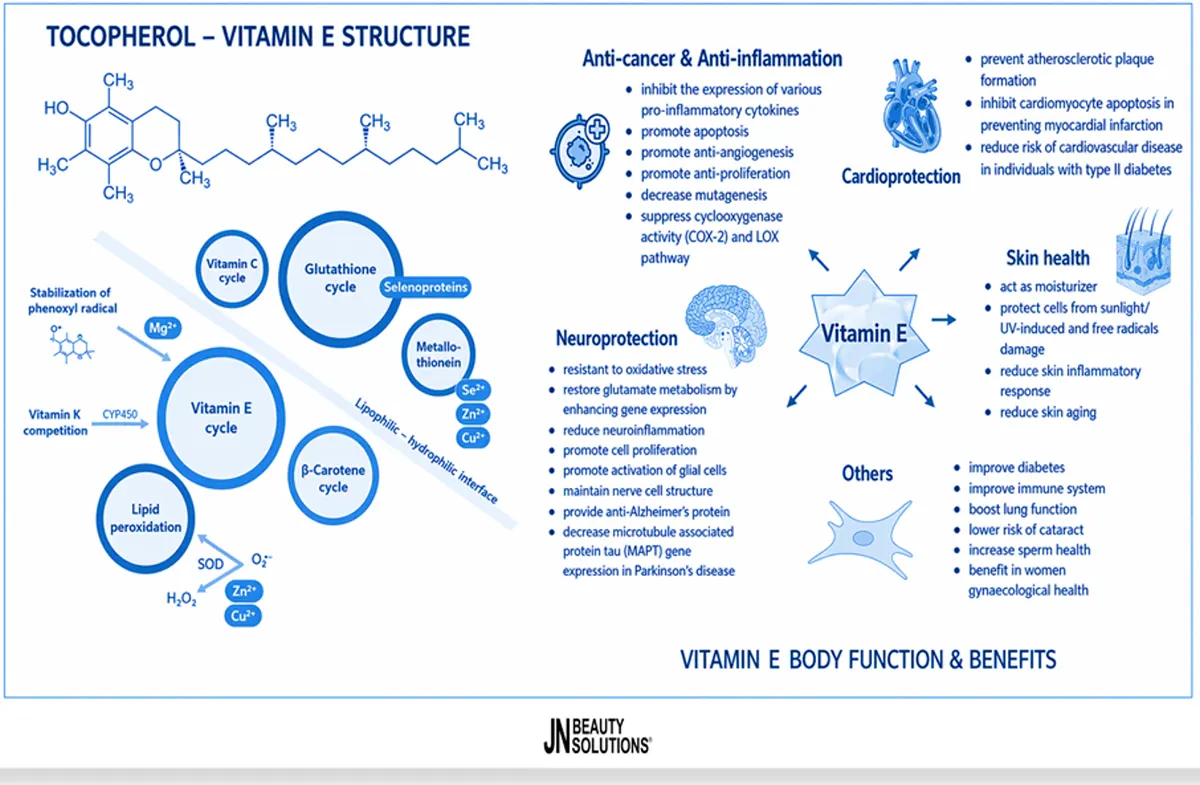
WHAT IS VITAMIN E? Vitamin E refers to a group of eight fat-soluble compounds, including four tocopherols and four tocotrienols, with alpha-tocopherol being the most biologically active in humans. It functions primarily as a lipid-soluble antioxidant, protecting cellular membranes from oxidative stress and free radical damage. Although vitamin E is commonly taken orally through supplements or diet, intravenous administration is emerging in therapeutic and aesthetic IV protocols to provide enhanced cellular protection, especially in patients with malabsorption disorders, chronic[...]
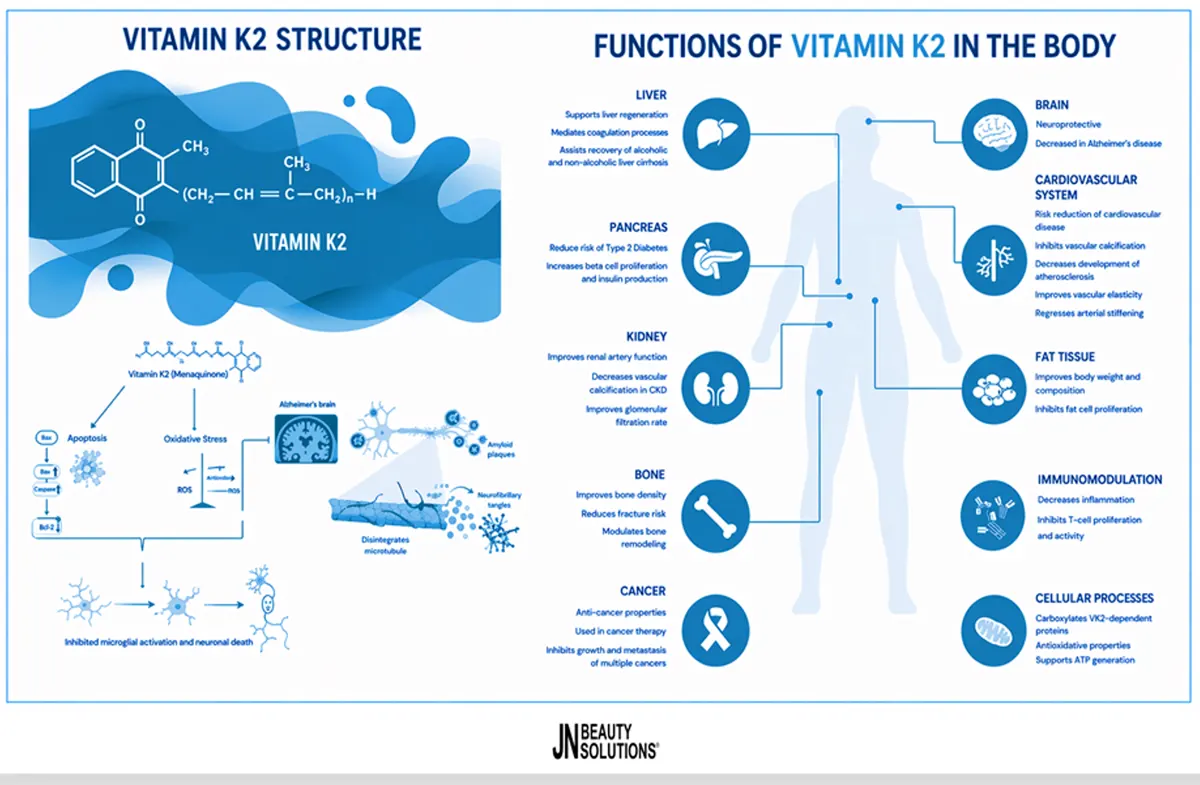
WHAT IS VITAMIN K2? Vitamin K2, also known as menaquinone, is a fat-soluble vitamin essential for calcium metabolism, cardiovascular health, and bone strength. Unlike Vitamin K1 (phylloquinone), which is primarily involved in blood clotting, Vitamin K2 plays a crucial role in directing calcium to where it's needed (bones and teeth) and away from where it can be harmful (arteries and soft tissues). There are several forms of Vitamin K2, with MK-4 and MK-7 being the most studied. IV administration[...]
VitaminsAdmin2026-08-14T05:02:39-07:00