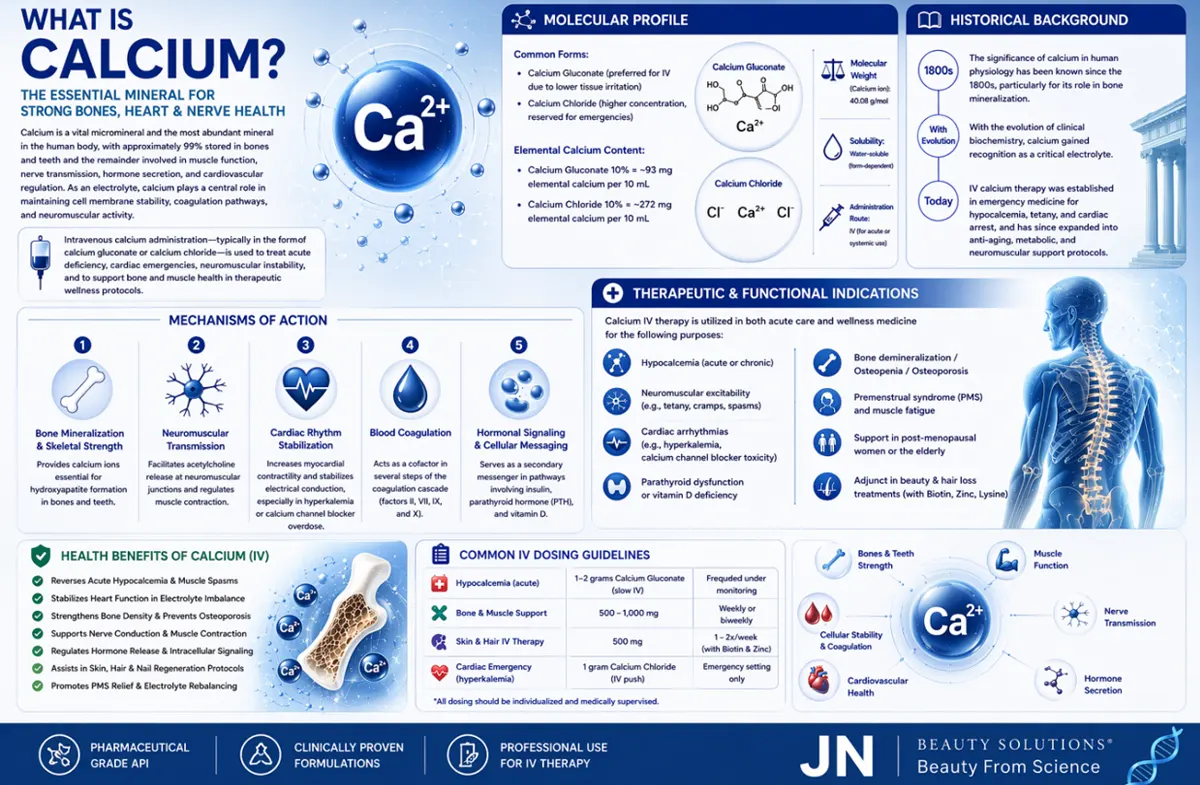
WHAT IS CALCIUM? Calcium is a vital micromineral and the most abundant mineral in the human body, with approximately 99% stored in bones and teeth and the remainder involved in muscle function, nerve transmission, hormone secretion, and cardiovascular regulation. As an electrolyte, calcium plays a central role in maintaining cell membrane stability, coagulation pathways, and neuromuscular activity. Intravenous calcium administration—typically in the form of calcium gluconate or calcium chloride—is used to treat acute deficiency, cardiac emergencies, neuromuscular instability, and[...]
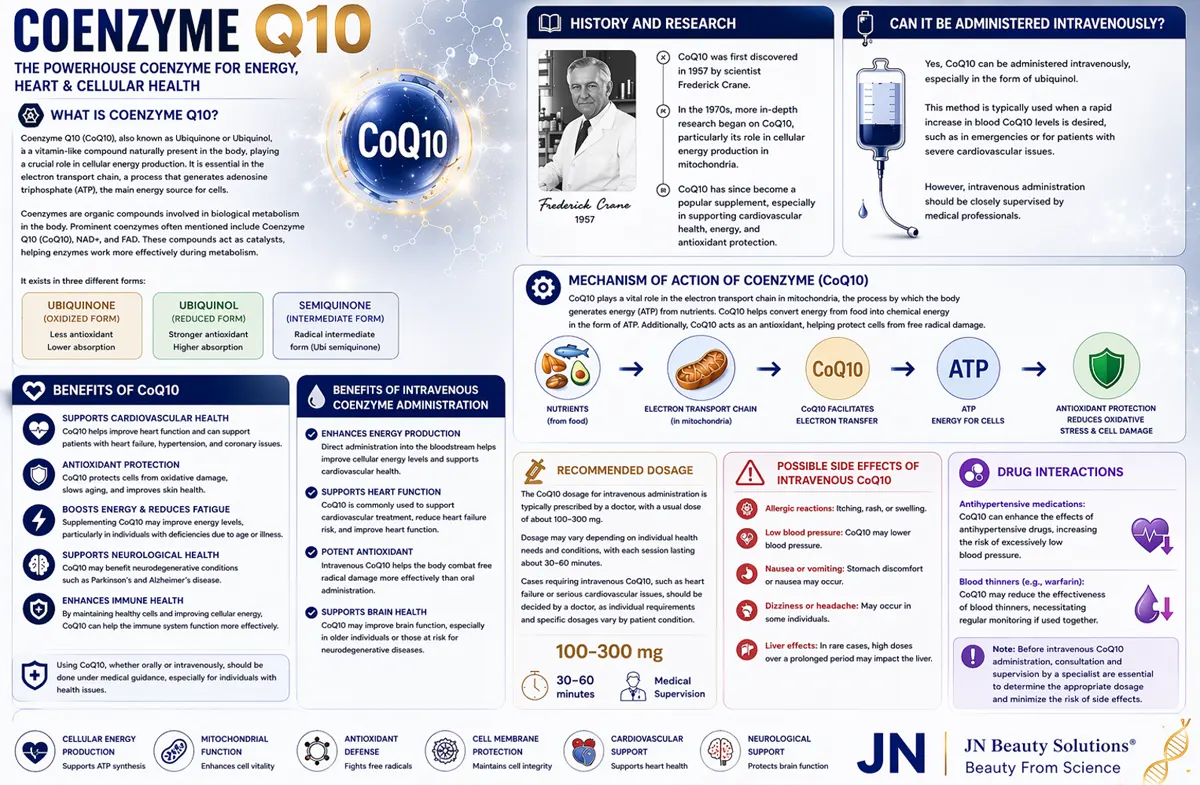
WHAT IS COENZYME Q10? Coenzyme Q10 (CoQ10), also known as Ubiquinone or Ubiquinol, is a vitamin-like compound naturally present in the body, playing a crucial role in cellular energy production. It is essential in the electron transport chain, a process that generates adenosine triphosphate (ATP), the main energy source for cells. Coenzymes are organic compounds involved in biological metabolism in the body. Prominent coenzymes often mentioned include Coenzyme Q10 (CoQ10), NAD+, and FAD. These compounds act as catalysts, helping[...]
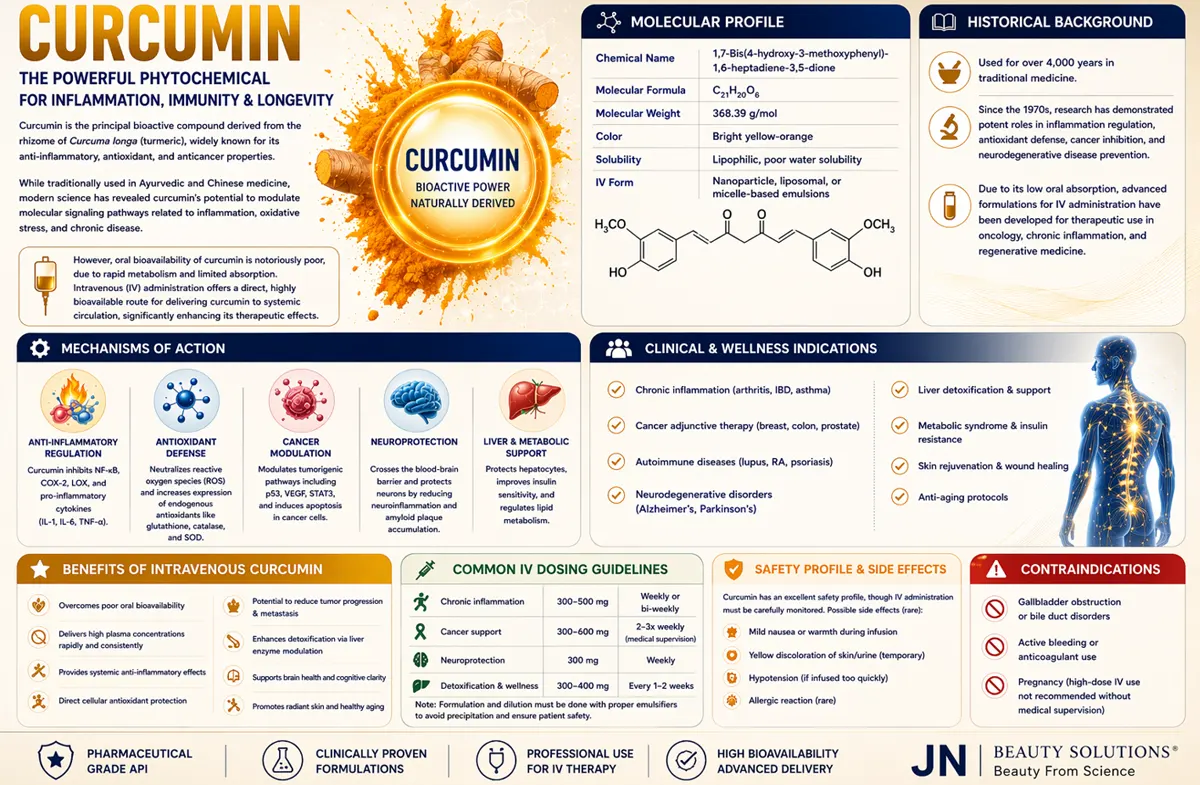
WHAT IS CURCUMIN? Curcumin is the principal bioactive compound derived from the rhizome of Curcuma longa (turmeric), widely known for its anti-inflammatory, antioxidant, and anticancer properties. While traditionally used in Ayurvedic and Chinese medicine, modern science has revealed curcumin’s potential to modulate molecular signaling pathways related to inflammation, oxidative stress, and chronic disease. However, oral bioavailability of curcumin is notoriously poor, due to rapid metabolism and limited absorption. Intravenous (IV) administration offers a direct, highly bioavailable route for delivering[...]
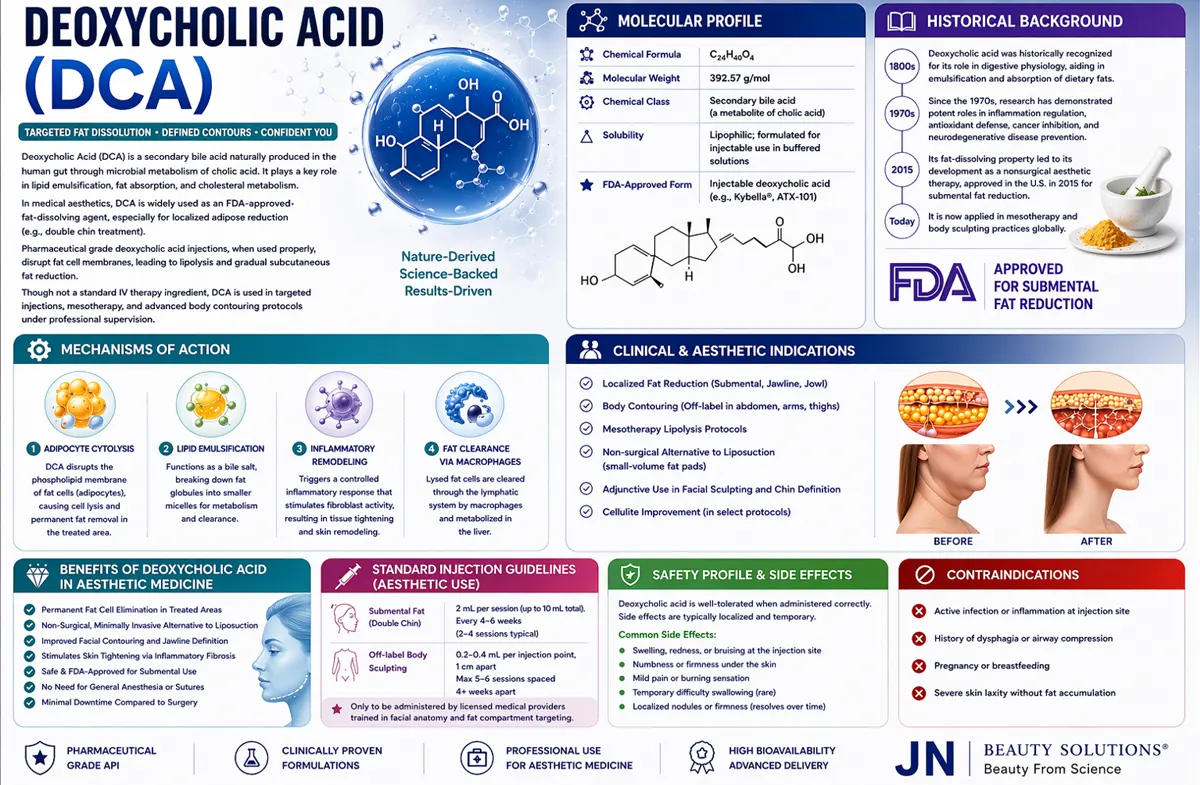
WHAT IS DEOXYCHOLIC ACID? Deoxycholic Acid (DCA) is a secondary bile acid naturally produced in the human gut through microbial metabolism of cholic acid. It plays a key role in lipid emulsification, fat absorption, and cholesterol metabolism. In medical aesthetics, DCA is widely used as an FDA-approved fat-dissolving agent, especially for localized adipose reduction (e.g., double chin treatment). Pharmaceutical grade deoxycholic acid injections, when used properly, disrupt fat cell membranes, leading to lipolysis and gradual subcutaneous fat reduction. Though[...]
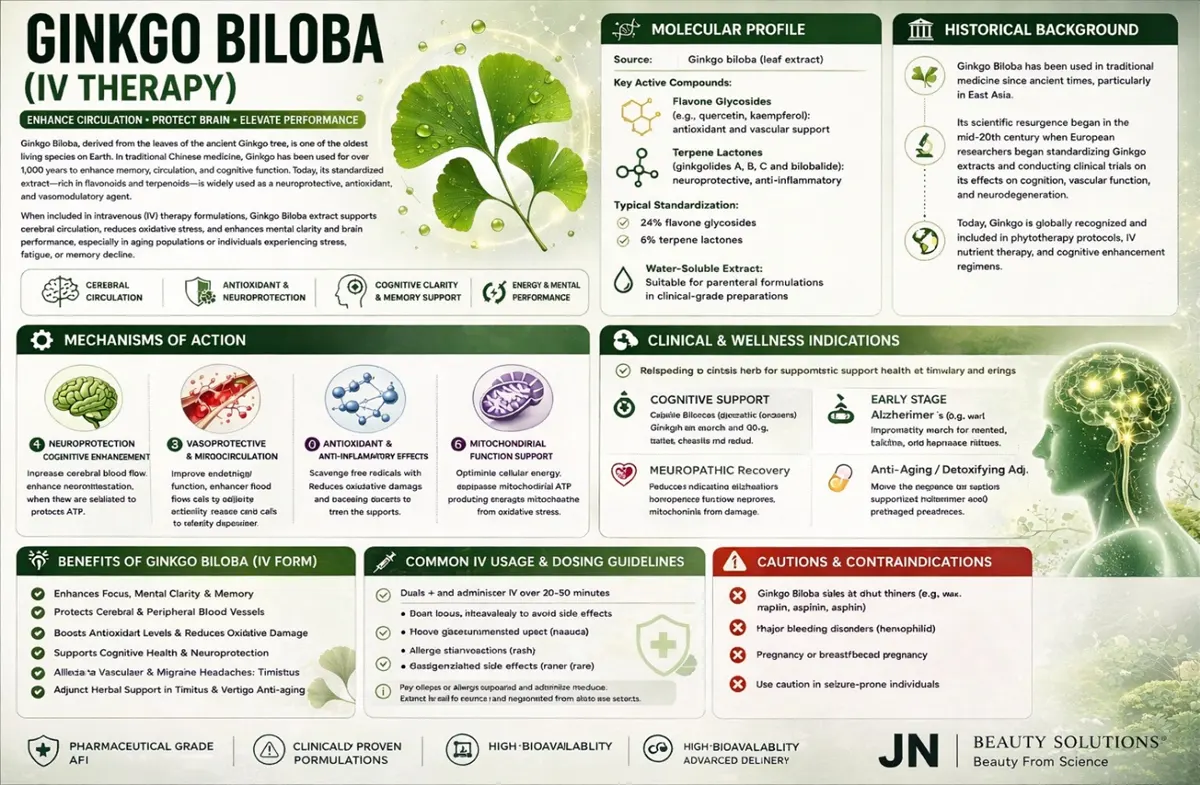
WHAT IS GINKGO BILOBA? Ginkgo Biloba, derived from the leaves of the ancient Ginkgo tree, is one of the oldest living species on Earth. In traditional Chinese medicine, Ginkgo has been used for over 1,000 years to enhance memory, circulation, and cognitive function. Today, its standardized extract—rich in flavonoids and terpenoids—is widely used as a neuroprotective, antioxidant, and Vaso modulatory agent. When included in intravenous (IV) therapy formulations, Ginkgo Biloba extract supports cerebral circulation, reduces oxidative stress, and enhances[...]
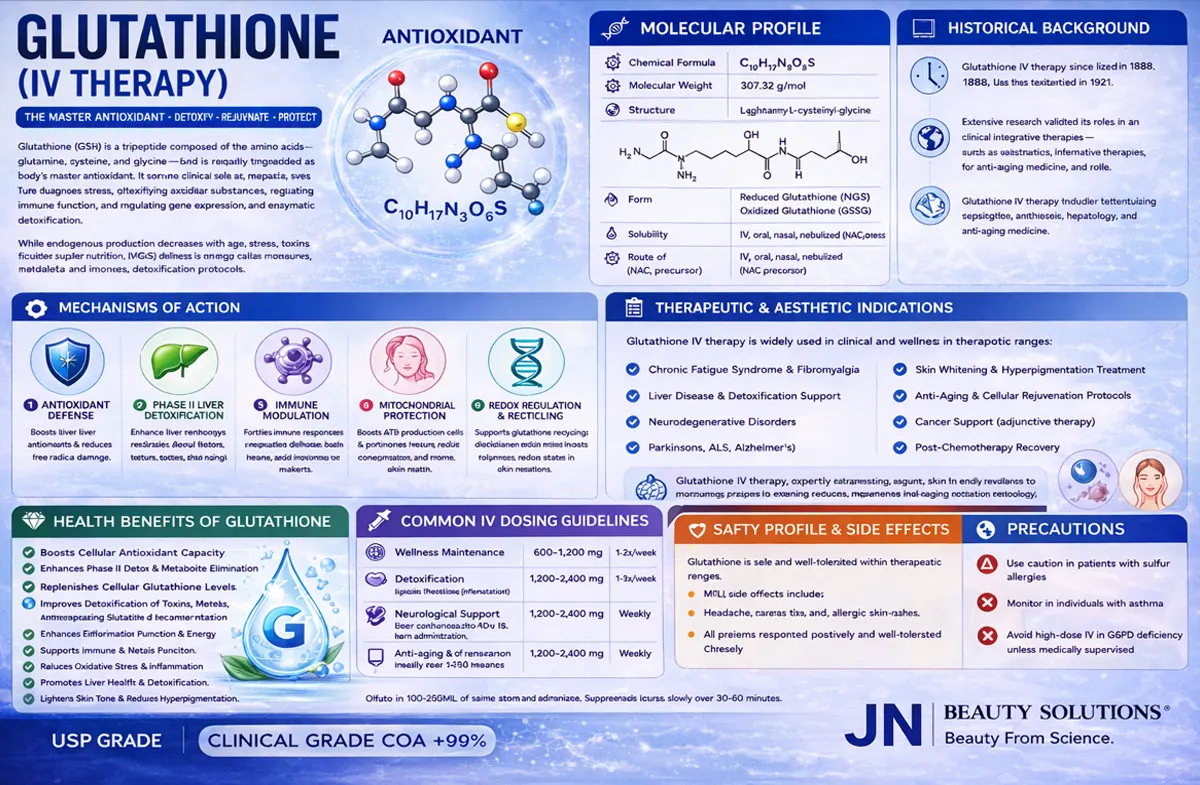
WHAT IS GLUTATHIONE? Glutathione (GSH) is a tripeptide composed of three amino acids—glutamine, cysteine, and glycine—and is widely regarded as the body’s master antioxidant. Naturally produced in the liver, Glutathione plays a pivotal role in protecting cells from oxidative stress, detoxifying harmful substances, supporting immune function, and regulating gene expression and enzymatic activity. While endogenous production decreases with age, stress, toxins, chronic illness, or poor nutrition, IV Glutathione supplementation is an effective clinical strategy to rapidly replenish systemic levels,[...]
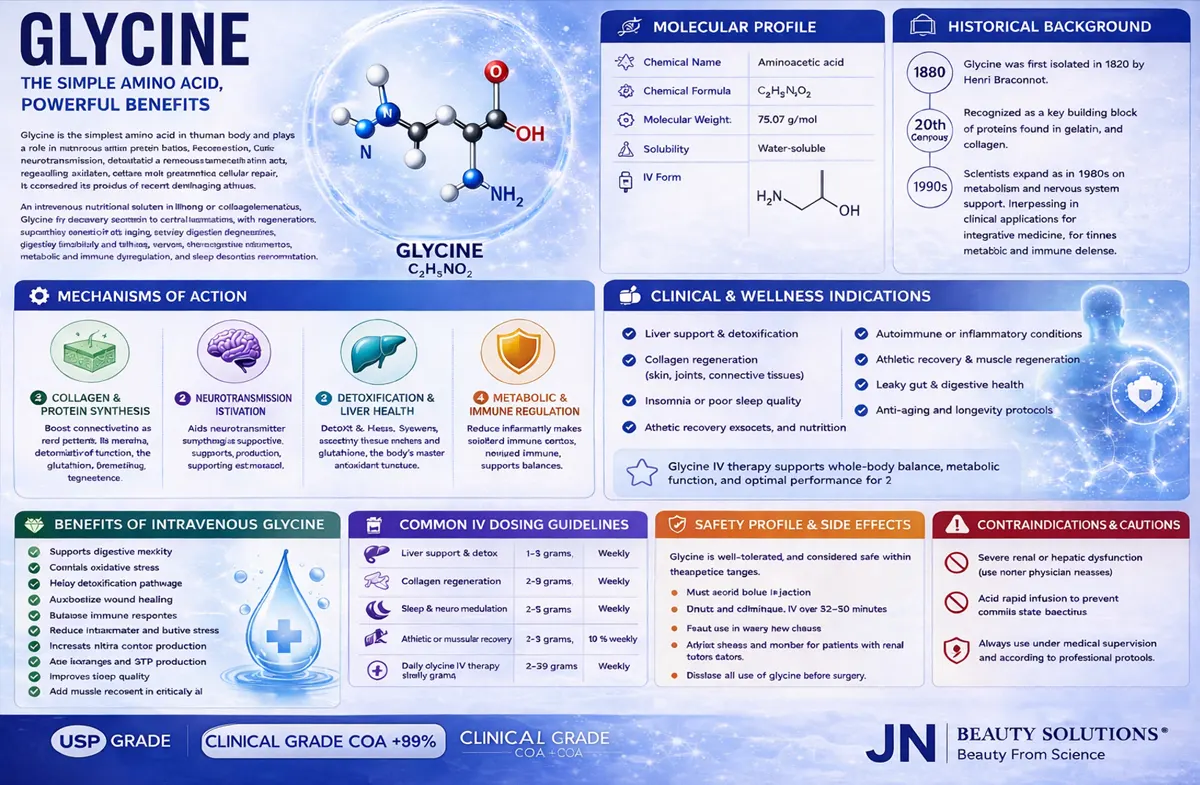
WHAT IS GLYCINE? Glycine is the simplest amino acid in the human body and plays a vital role in numerous physiological processes, including protein synthesis, neurotransmission, detoxification, and cellular repair. It is considered a conditionally essential amino acid, meaning that while the body can produce glycine, additional supplementation may be required during periods of stress, illness, or increased metabolic demand. Intravenous administration of glycine bypasses digestive limitations and delivers rapid systemic availability, supporting applications in anti-aging medicine, liver detox,[...]
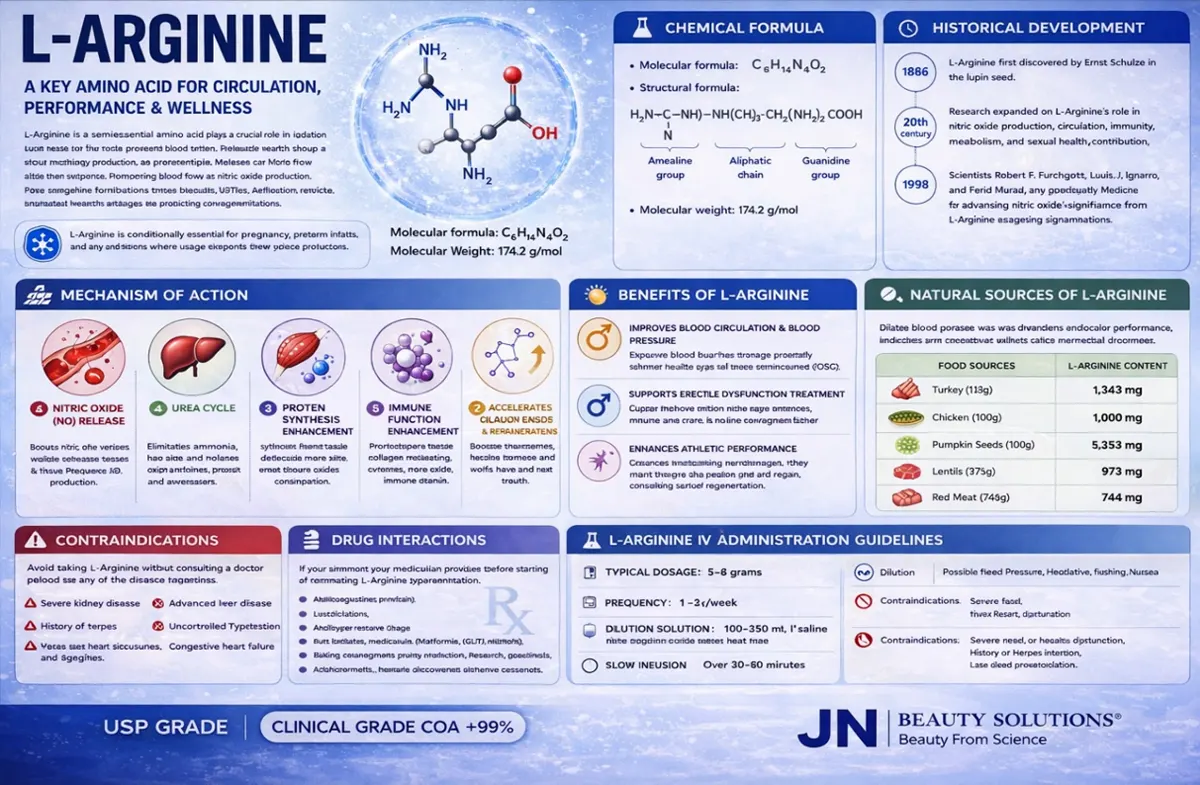
GENERAL INFORMATION L-Arginine is a semi-essential amino acid that plays a crucial role in many biological processes in the body. It is a precursor to nitric oxide (NO), an important molecule that helps dilate blood vessels, enhance blood circulation, and improve various physiological functions. L-Arginine is one of the 20 amino acids that make up proteins and is classified as either essential or non-essential. Essential amino acids must be obtained from the diet because the body cannot produce them,[...]
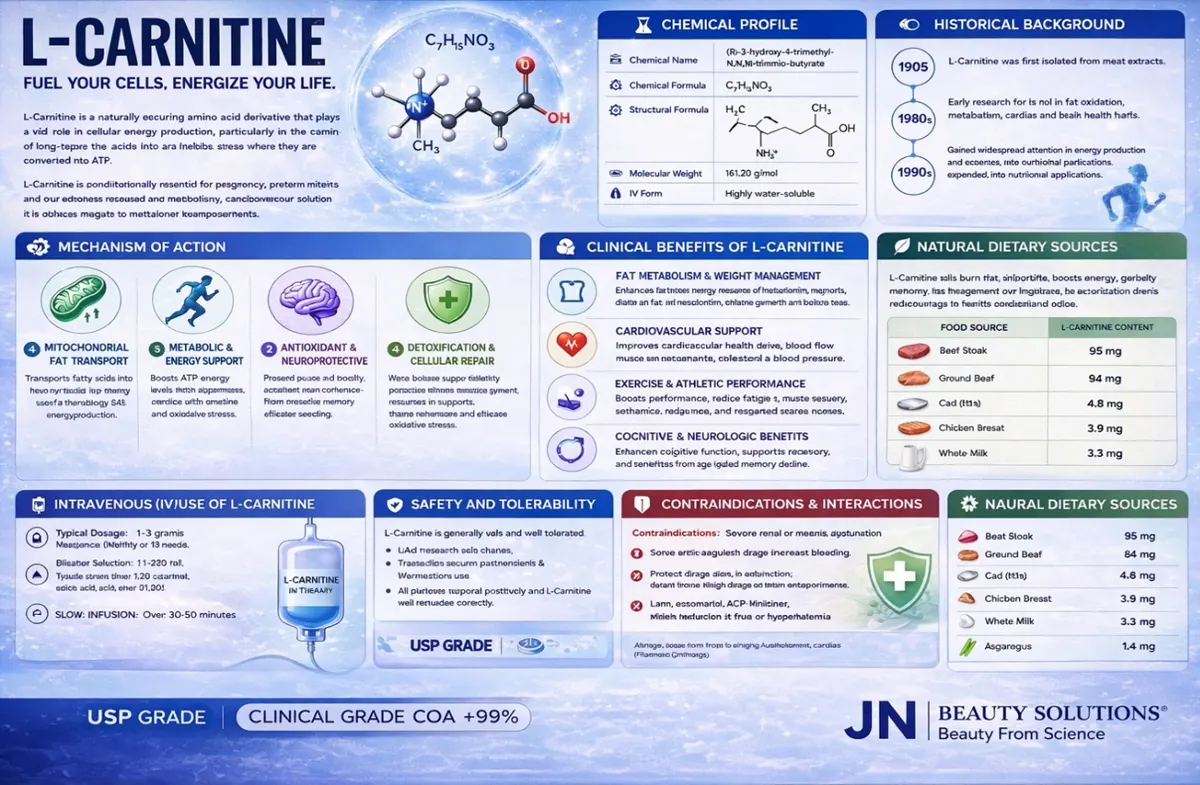
OVERVIEW L-Carnitine is a naturally occurring amino acid derivative that plays a vital role in cellular energy production, particularly in the transport of long-chain fatty acids into the mitochondria, where they are oxidized for energy. It is essential for the conversion of fat into usable fuel, making it a cornerstone compound for fat metabolism, cardiovascular support, muscle recovery, and brain function. Though the body can synthesize L-Carnitine from the amino acids’ lysine and methionine, certain individuals—such as those with[...]
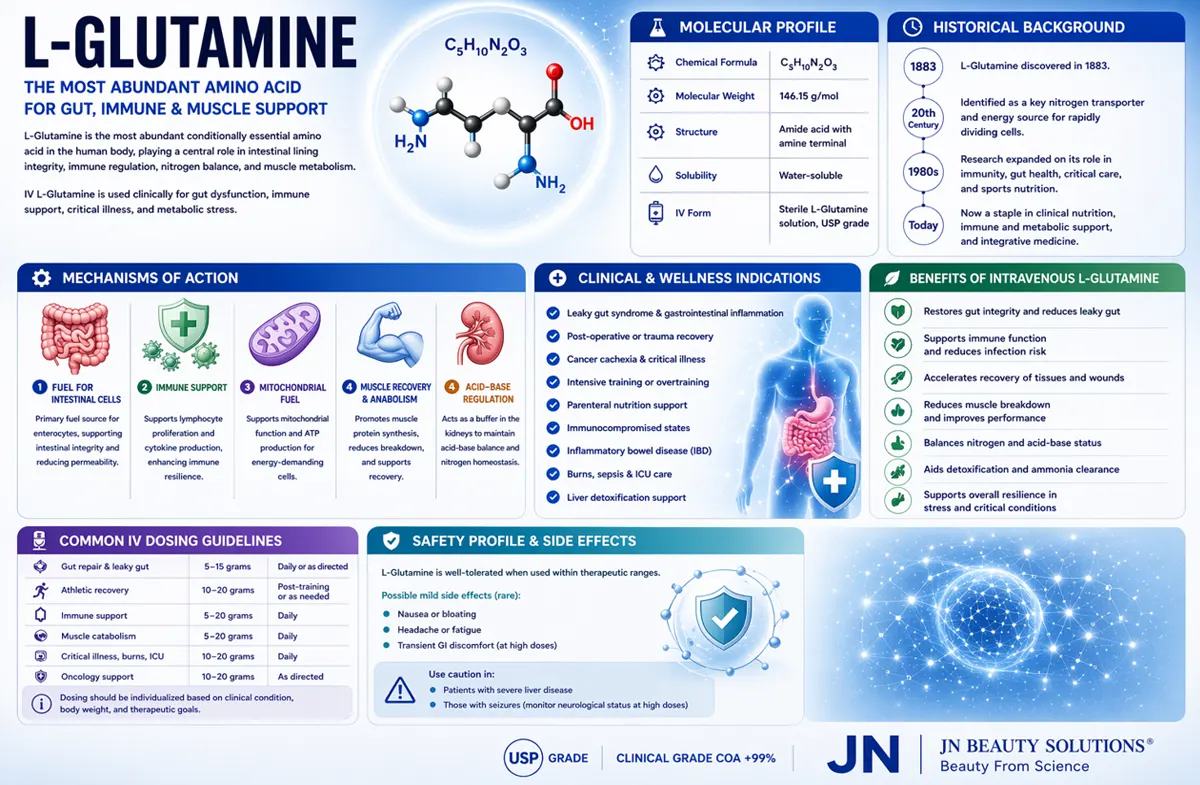
WHAT IS L-GLUTAMINE? L-Glutamine is the most abundant conditionally essential amino acid in the human body, playing a central role in intestinal integrity, immune regulation, nitrogen transport, and muscle metabolism. During periods of illness, physical stress, or trauma, endogenous production becomes insufficient, making supplementation—particularly via intravenous (IV) route—clinically valuable. IV L-Glutamine is especially beneficial in cases of gut dysfunction (leaky gut, IBD), critical illness, muscle catabolism, immune suppression, and metabolic stress. MOLECULAR PROFILE Chemical Formula: C₅H₁₀N₂O₃[...]
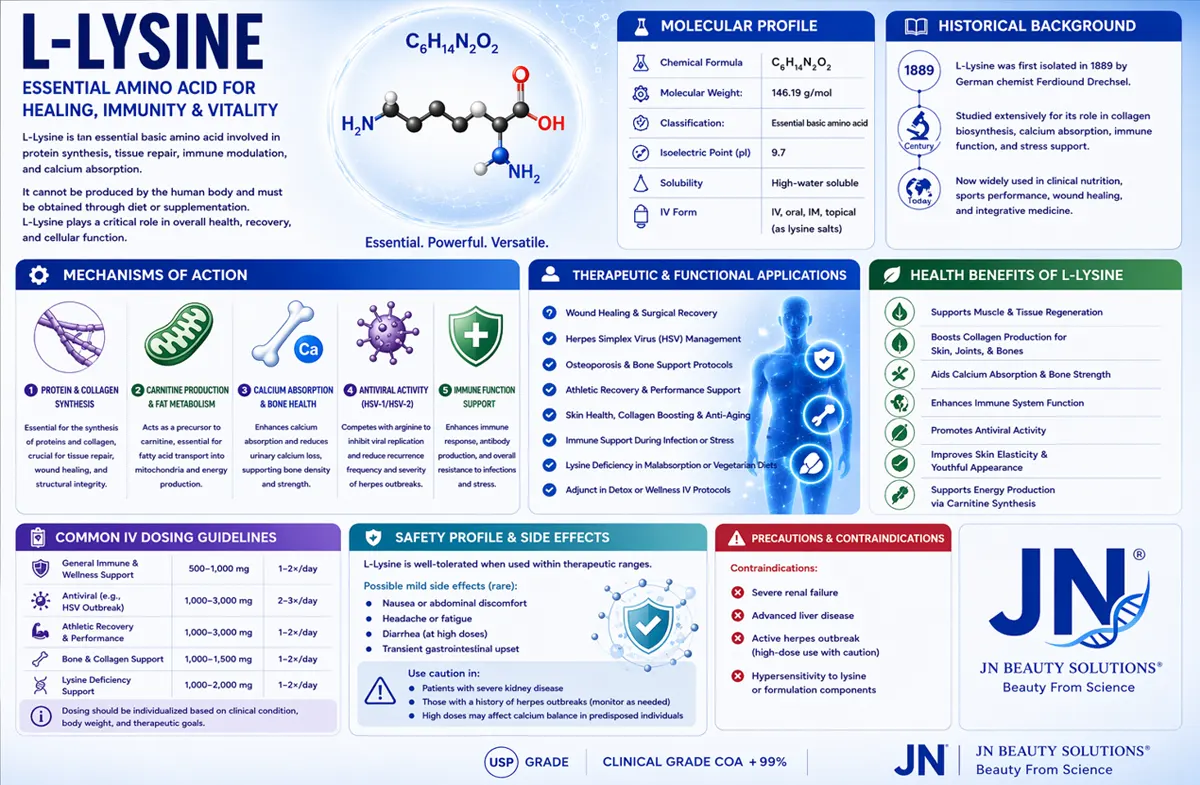
WHAT IS L-LYSINE? L-Lysine is an essential α-amino acid required for protein synthesis, tissue repair, immune modulation, and enzymatic function. Since it cannot be synthesized by the human body, it must be obtained from dietary sources or supplementation. L-Lysine is a precursor to carnitine, supports calcium absorption, collagen formation, and plays a critical role in antiviral defense—particularly against Herpes Simplex Virus (HSV) infections. While L-Lysine is widely consumed orally, IV administration allows rapid, bioavailable delivery for clinical and therapeutic[...]
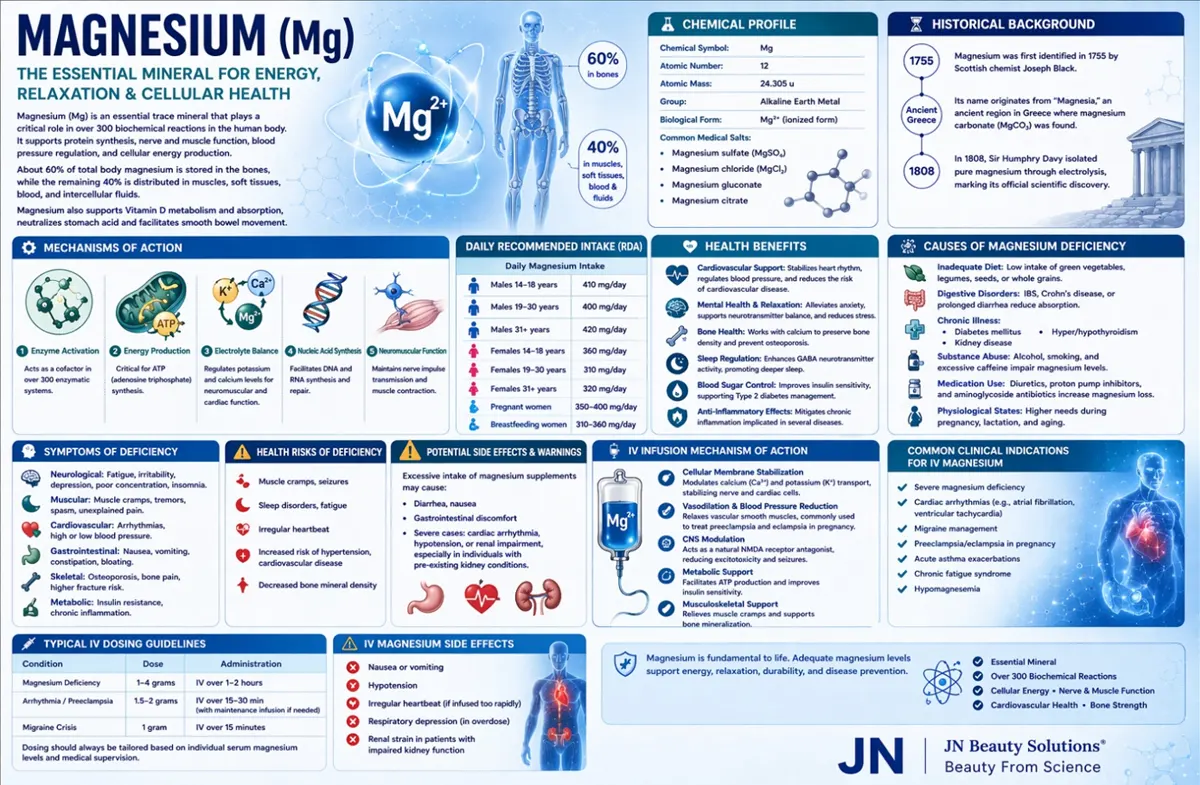
WHAT IS MAGNESIUM? Magnesium (Mg) is an essential trace mineral that plays a critical role in over 300 biochemical reactions in the human body. Naturally found in many foods and available in supplement form, magnesium is vital for protein synthesis, nerve and muscle function, blood pressure regulation, and cellular energy production. About 60% of total body magnesium is stored in the bones, while the remaining 40% is distributed in muscles, soft tissues, blood, and intercellular fluids. Magnesium also supports[...]
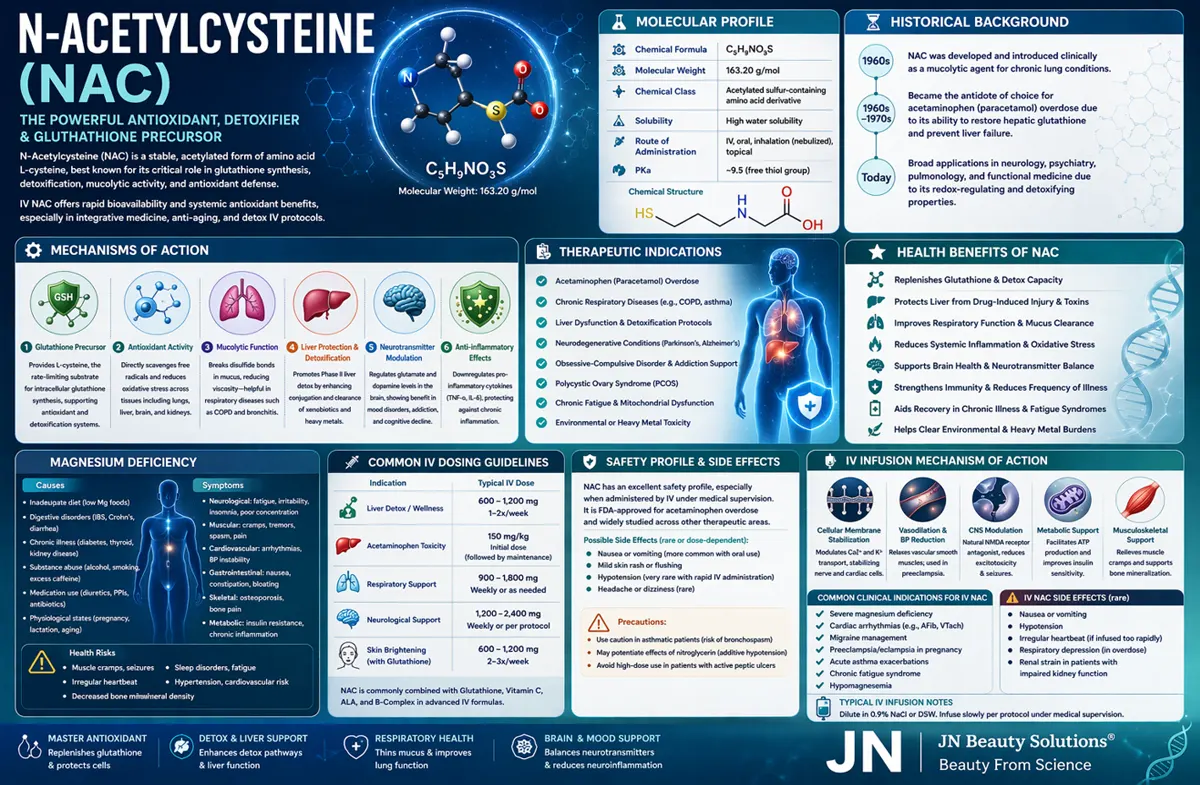
WHAT IS NAC? N-Acetylcysteine (NAC) is a stable, acetylated form of amino acid L-cysteine, best known for its critical role in glutathione synthesis, detoxification, mucolytic activity, and antioxidant defense. As a precursor to glutathione (GSH)—the body’s master antioxidant—NAC replenishes intracellular GSH stores and combats oxidative damage at the cellular level. NAC has a long history of medical use, including in the treatment of acetaminophen toxicity, chronic respiratory diseases, and neurodegenerative conditions. When administered intravenously, NAC offers rapid bioavailability and[...]
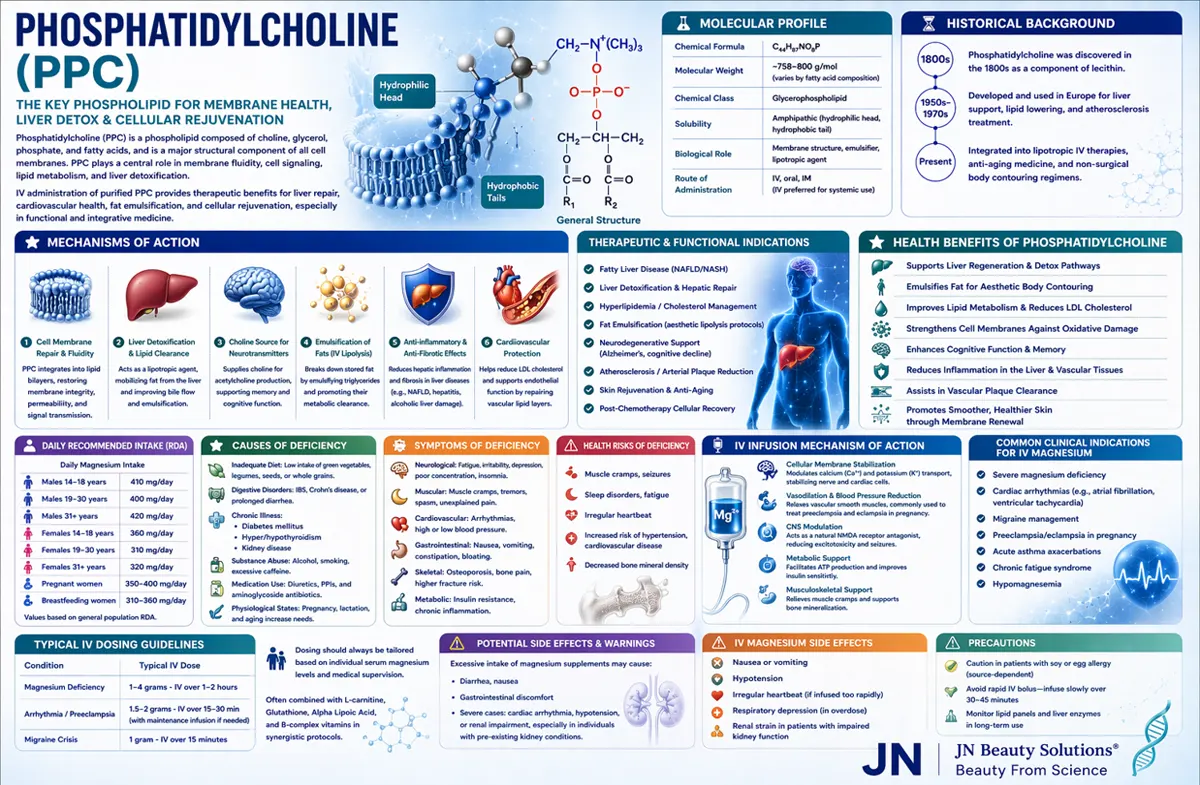
WHAT IS PHOSPHATIDYLCHOLINE? Phosphatidylcholine (PPC) is a phospholipid composed of choline, glycerol, phosphate, and fatty acids, and is a major structural component of all cell membranes. As a key constituent of the lipid bilayer, PPC plays a central role in membrane fluidity, cell signaling, lipid metabolism, and liver detoxification. Although abundant in dietary sources like egg yolks and soybeans, IV administration of purified PPC provides therapeutic benefits for liver repair, cardiovascular health, fat emulsification, and cellular rejuvenation, especially in[...]
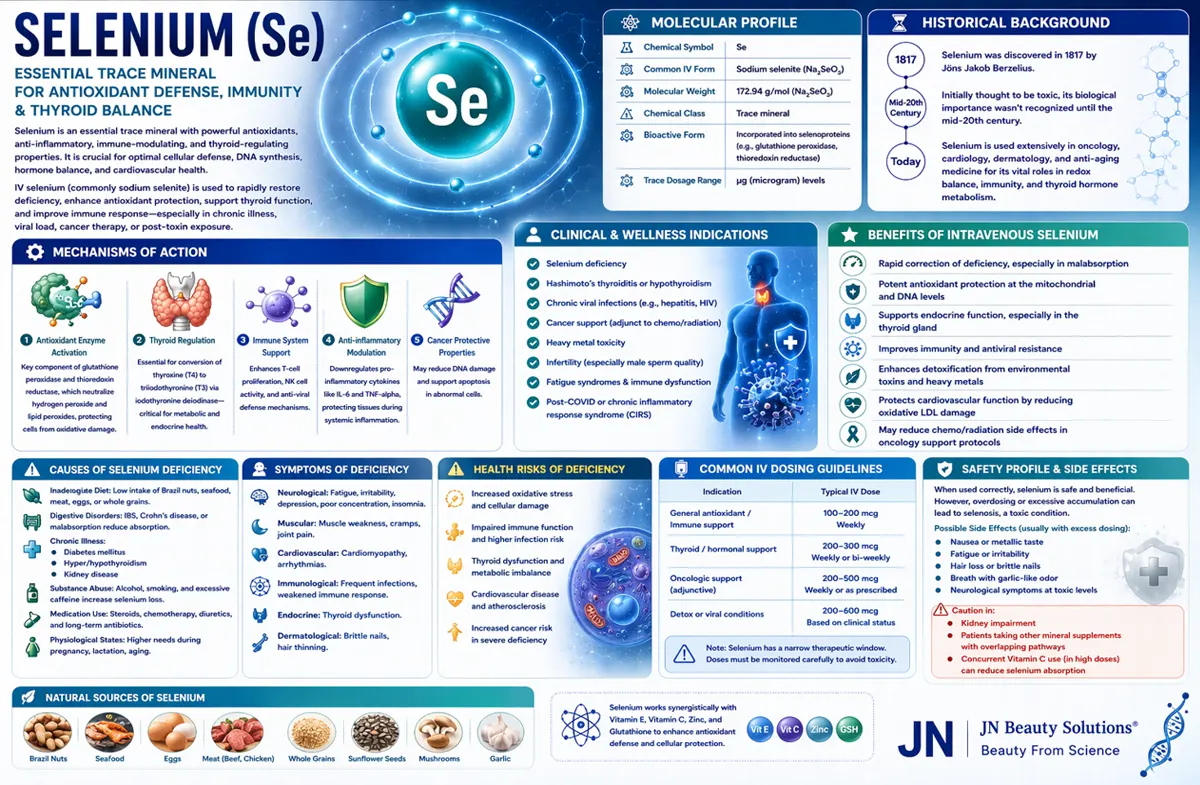
WHAT IS SELENIUM? Selenium is an essential trace mineral with powerful antioxidants, anti-inflammatory, immune-modulating, and thyroid-regulating properties. Although required only in microgram amounts, selenium is crucial for optimal cellular defense, DNA synthesis, hormone balance, and cardiovascular health. In clinical and wellness settings, IV selenium (commonly referred to as Selenese or sodium selenite) is used to rapidly restore deficiency, enhance antioxidant protection (especially in oxidative stress conditions), support thyroid function, and improve immune response, particularly in cases of chronic illness,[...]
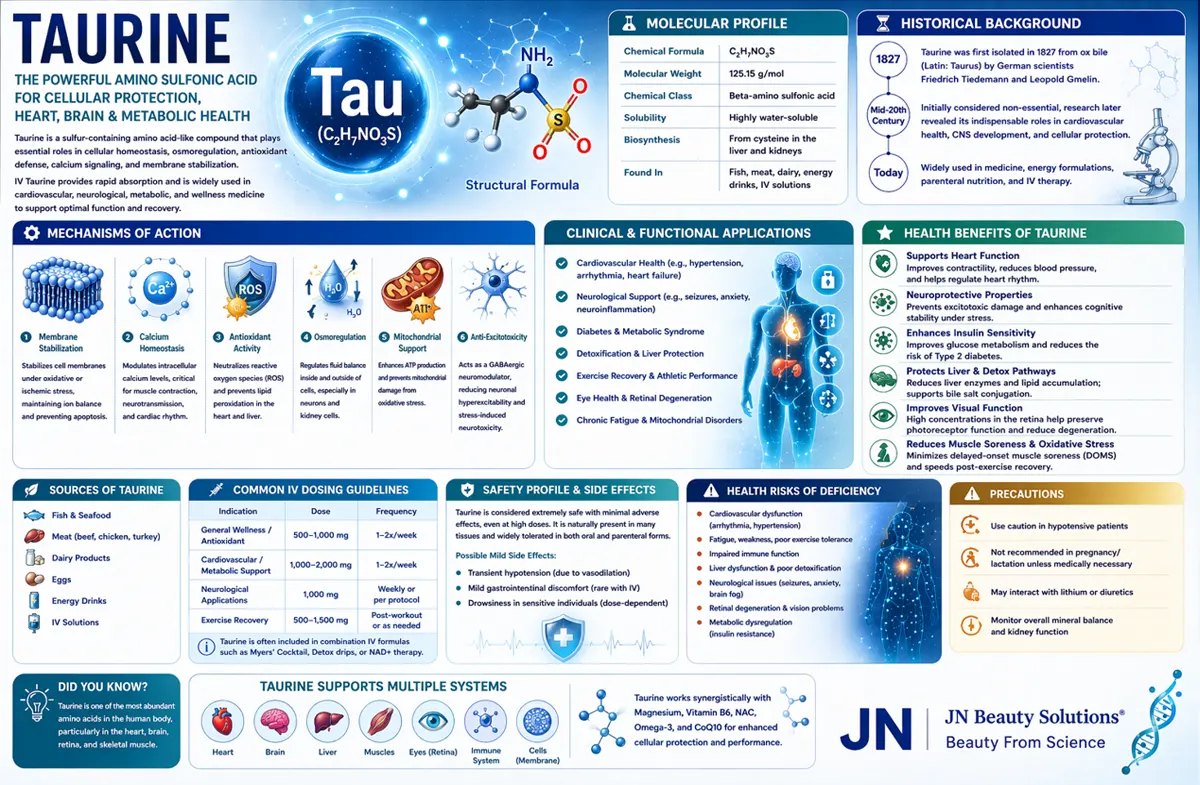
WHAT IS TAURINE? Taurine is a sulfur-containing amino acid-like compound that is abundant in the human body, particularly in the heart, brain, retina, skeletal muscle, and immune cells. Although not incorporated into proteins, Taurine is classified as a conditionally essential amino acid due to its vital roles in maintaining cellular homeostasis, osmoregulation, antioxidant defense, calcium signaling, and membrane stabilization. Taurine is synthesized in the liver from methionine and cysteine but may require supplementation in conditions of metabolic stress, disease,[...]
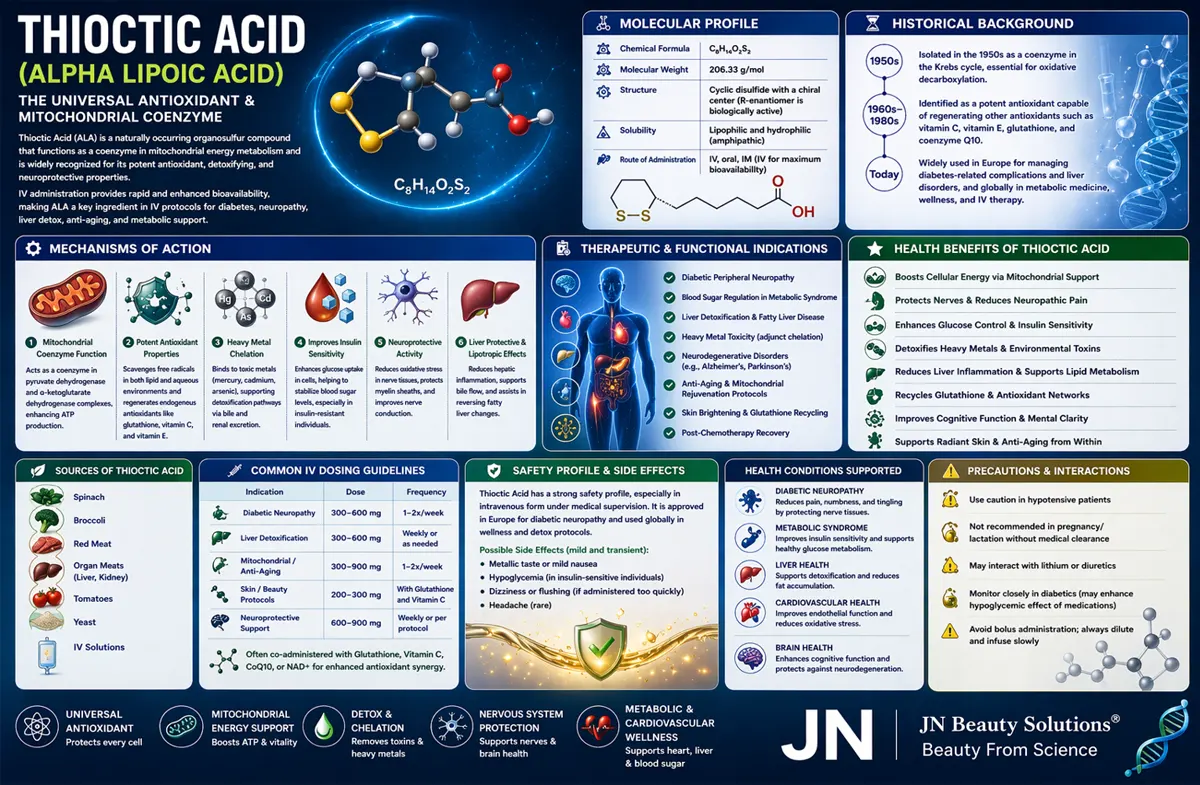
WHAT IS THIOCTIC ACID? Thioctic Acid, also known as Alpha Lipoic Acid (ALA), is a naturally occurring organosulfur compound derived from caprylic acid. It functions as a coenzyme in mitochondrial energy metabolism and is widely recognized for its potent antioxidant, detoxifying, and neuroprotective properties. ALA is both fat- and water-soluble, allowing it to act in virtually every cell and tissue in the body. When administered intravenously, Thioctic Acid provides rapid and enhanced bioavailability, making it a key ingredient in[...]
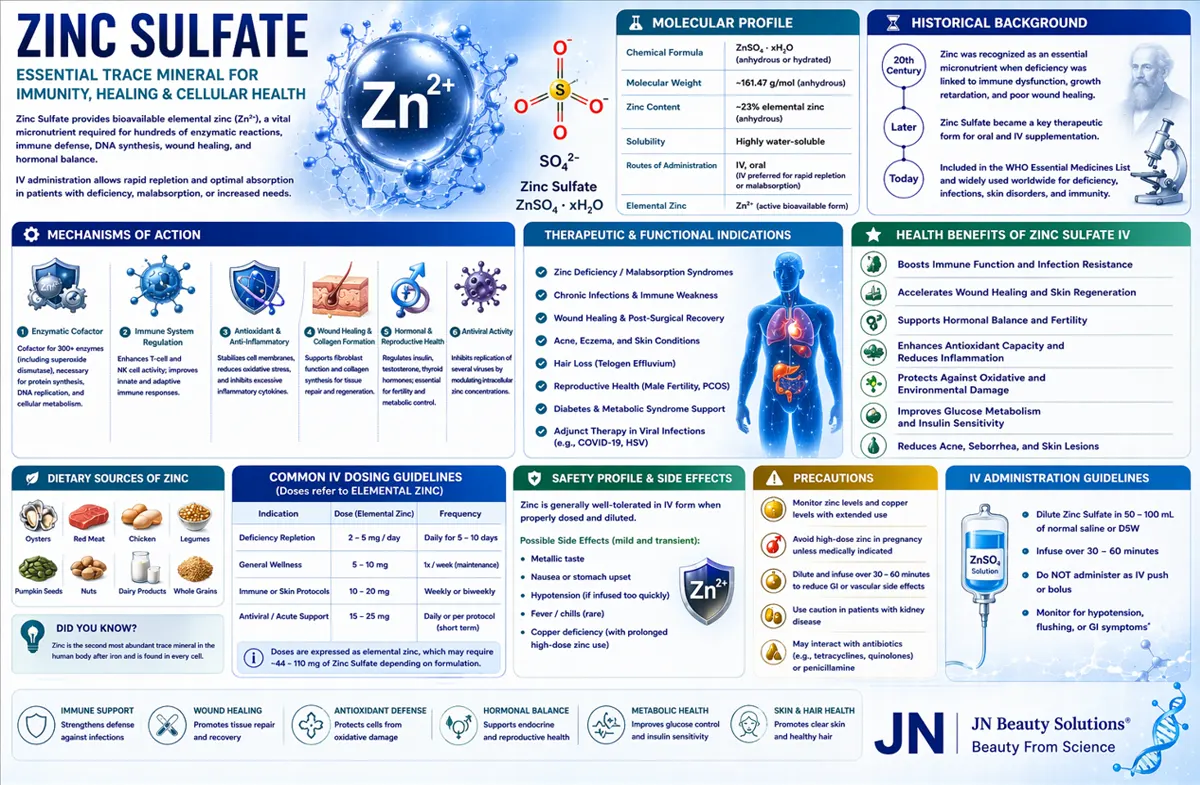
WHAT IS ZINC SULFATE? Zinc Sulfate is an inorganic compound composed of zinc (Zn²⁺) and sulfate ions, typically used as a bioavailable source of elemental zinc in medical and nutritional therapies. As an essential trace element, zinc plays a fundamental role in immune function, wound healing, DNA synthesis, antioxidant defense, and hormonal regulation. While dietary intake is the primary source of zinc, intravenous Zinc Sulfate administration is used in clinical settings for patients with zinc deficiency, immune compromise, or[...]
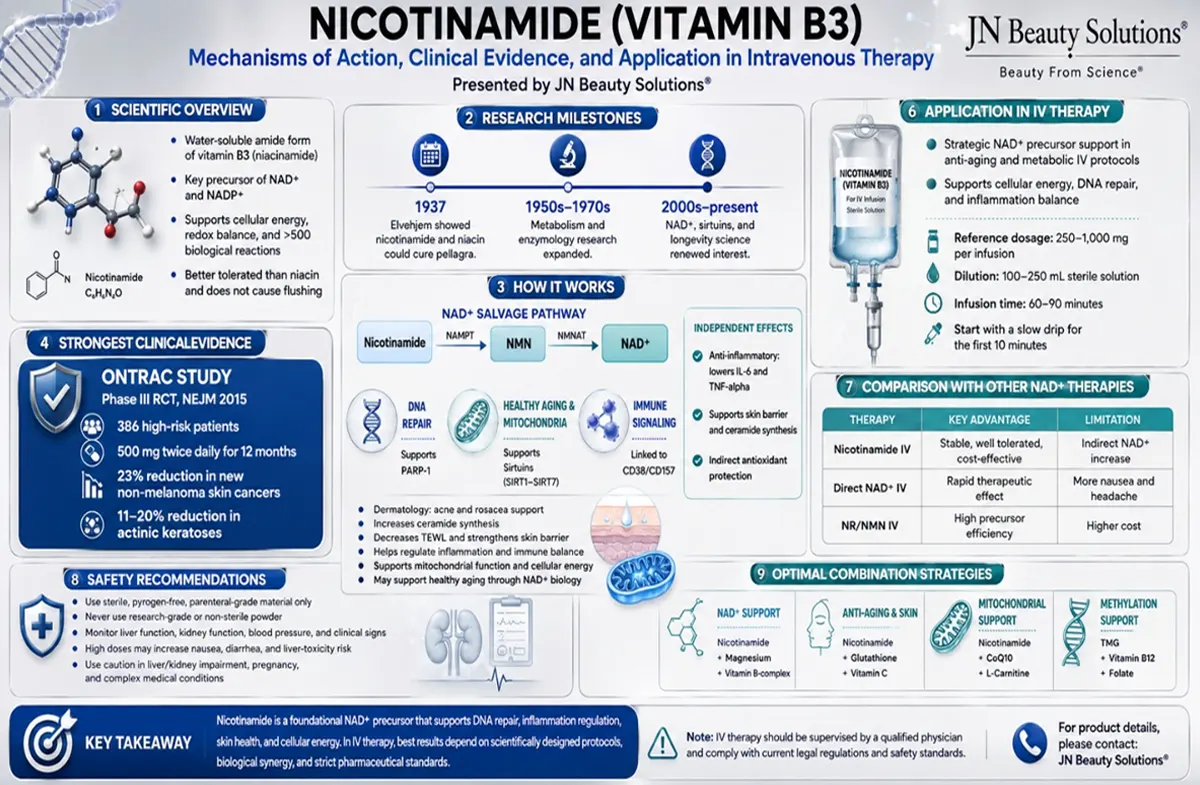
SCIENTIFIC OVERVIEW Nicotinamide (also known as niacinamide) is the amide form of vitamin B3 and belongs to the group of water-soluble vitamins. The compound has the chemical formula C₆H₆N₂O and a molecular weight of 122.12 g/mol. Nicotinamide is one of the most important precursors for the synthesis of NAD⁺ (nicotinamide adenine dinucleotide) and NADP⁺ – two coenzymes involved in more than 500 biological reactions in the body, particularly oxidation–reduction reactions and cellular energy production. Unlike nicotinic acid (niacin), nicotinamide[...]
Pharmaceuticals Ingredients (API)Admin2026-08-14T05:03:41-07:00