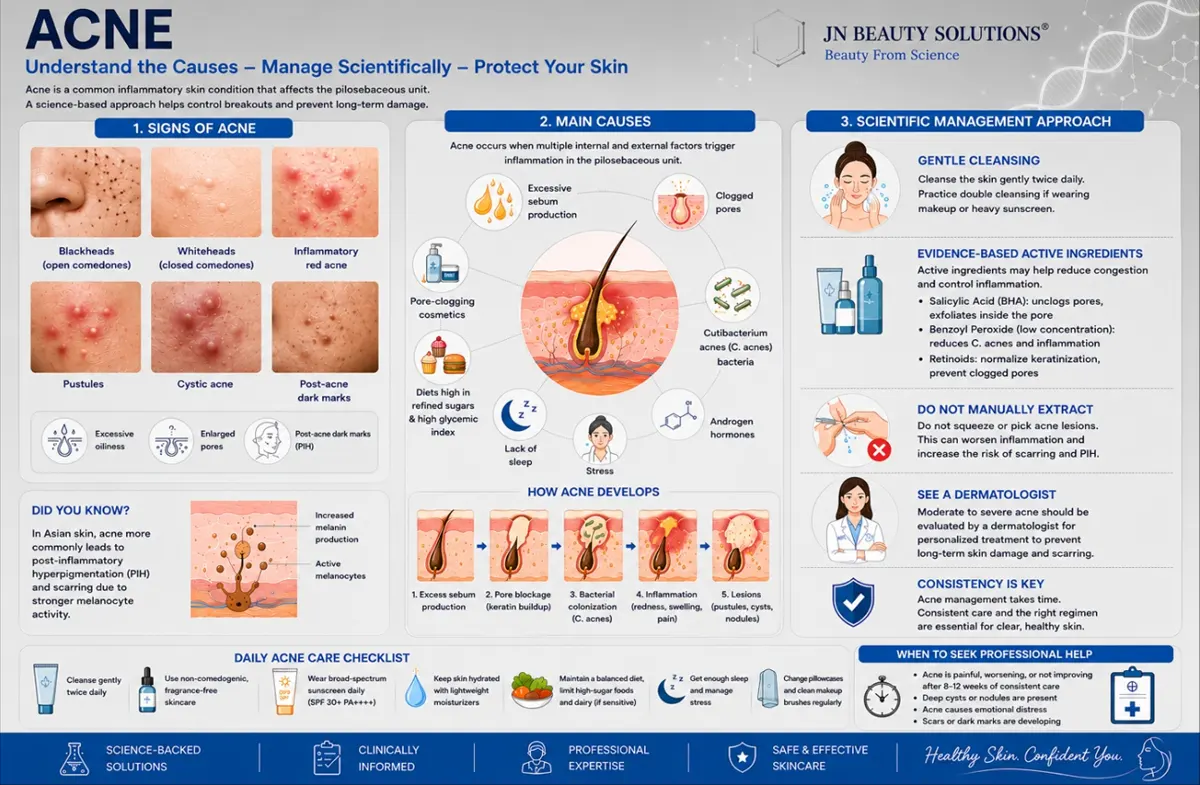
The skin is the largest organ of the human body and also one of the clearest reflections of overall health, hormonal balance, environmental exposure, and daily lifestyle habits. In modern society, skin concerns have become increasingly common due to UV radiation, air pollution, stress, sleep deprivation, unsuitable cosmetics, and unbalanced lifestyles. Particularly in Asian populations, including Vietnam, the hot and humid climate combined with specific pigmentation characteristics makes acne, post-acne marks, melasma, and post-inflammatory hyperpigmentation more common and often[...]
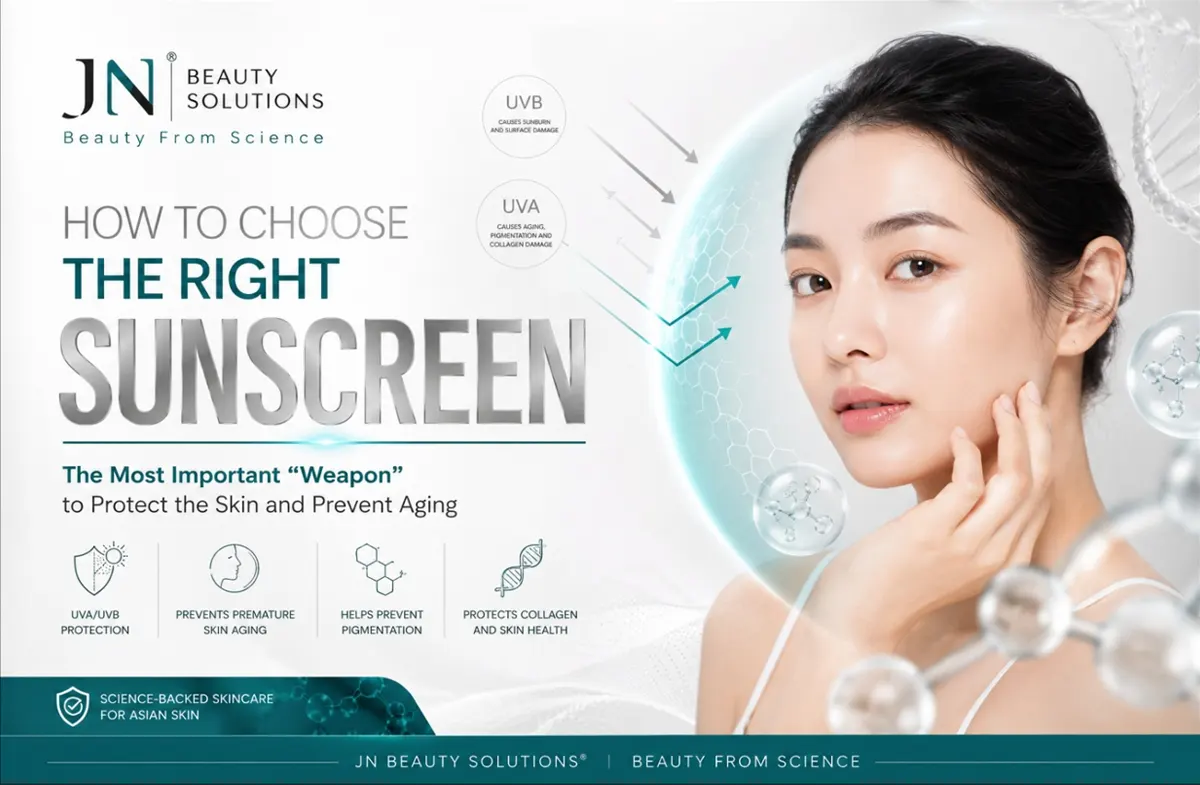
The Most Important “Weapon” to Protect the Skin and Prevent Aging Sunscreen is not just a skincare product, but the most important foundational protection step in modern skincare. Many dermatological studies show that UV radiation and environmental light are the leading causes of most signs of premature aging such as melasma, hyperpigmentation, dark spots, dull skin, collagen loss, wrinkles, and even skin cancer. For Asian skin — especially Vietnamese individuals with Fitzpatrick III–IV characteristics — the risk of[...]
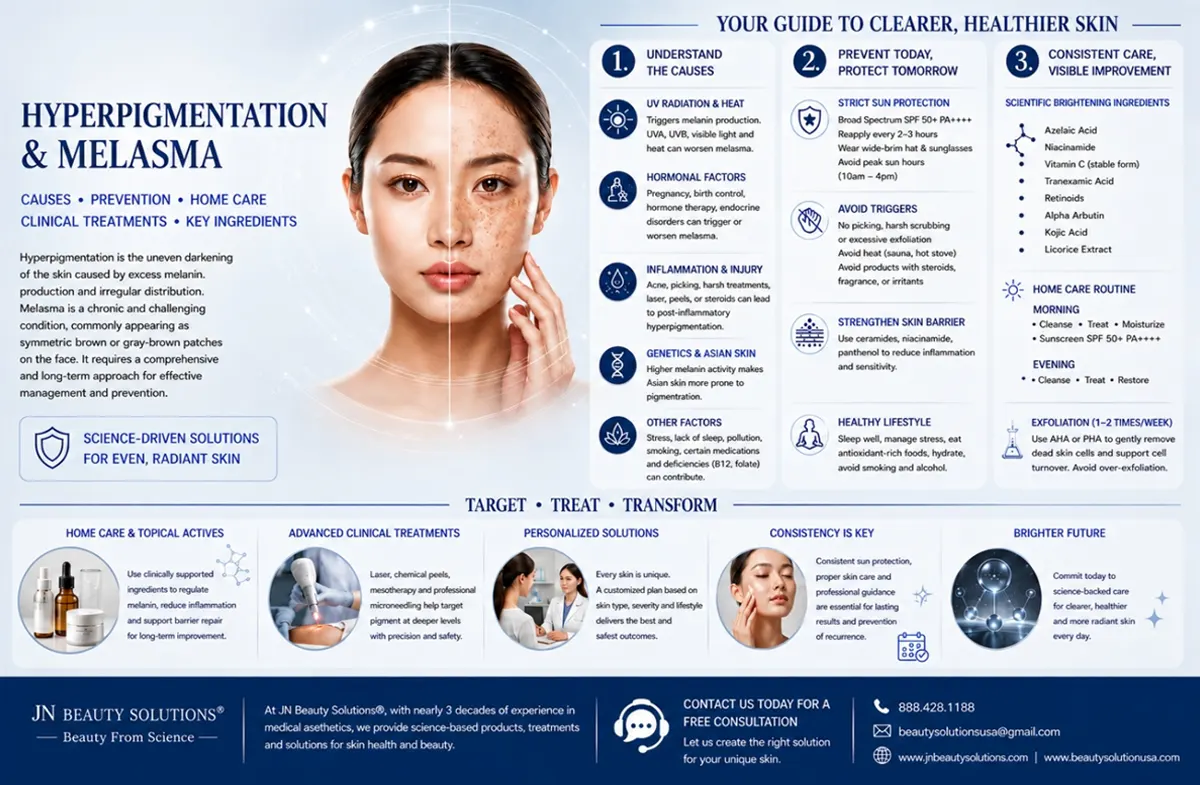
Hyperpigmentation is a skin condition characterized by brown spots, uneven dark patches, or melasma caused by increased melanin production and irregular melanin distribution. It is especially common in Asian skin, as this skin type tends to react strongly to UV radiation, inflammation, heat, and environmental triggers. Melasma is a chronic pigmentation disorder that commonly appears as symmetrical brown or gray-brown patches on the cheeks, forehead, chin, or upper lip. Although not dangerous to overall health, melasma is often difficult[...]
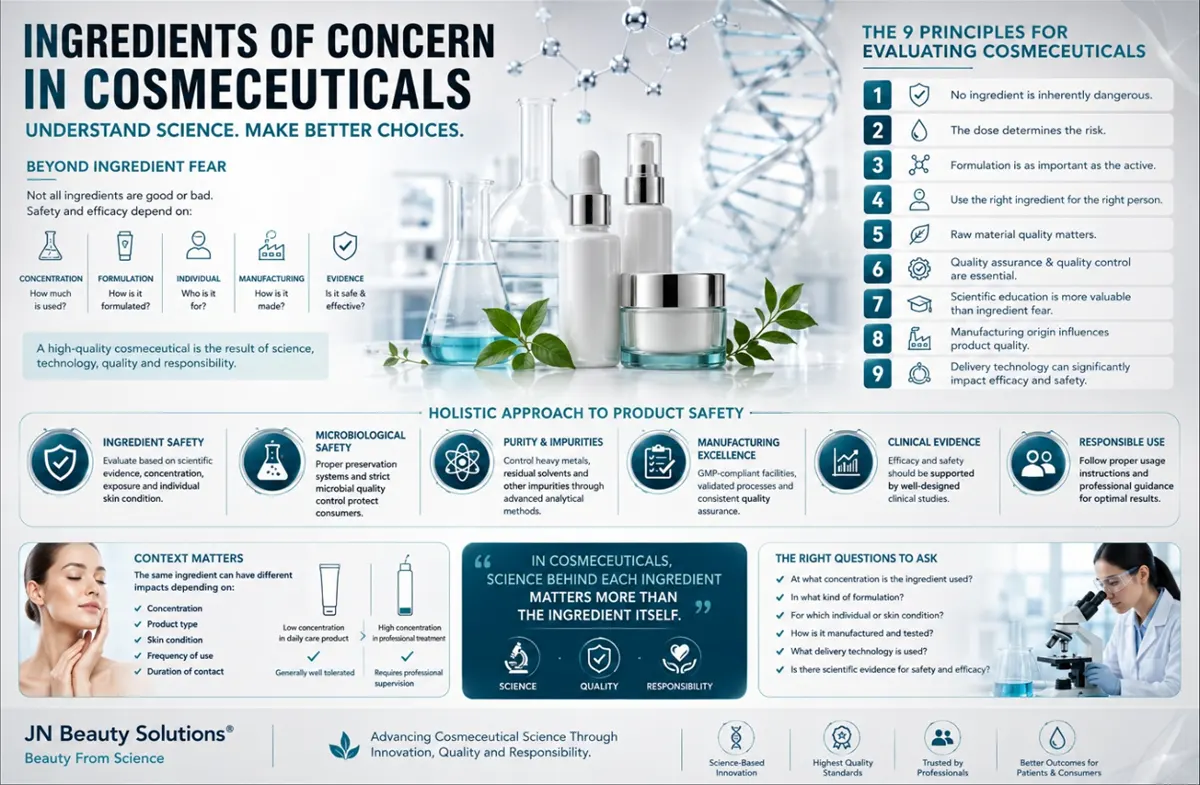
In recent years, consumers have become increasingly interested in ingredient lists and product labels. Terms such as "Paraben-Free," "Sulfate-Free," "Silicone-Free," "Fragrance-Free," "Clean Beauty," and "Chemical-Free" have become common marketing claims across the beauty industry. While this growing awareness reflects a positive shift toward informed skincare choices, it has also led to widespread misconceptions and, in some cases, unnecessary fear surrounding certain ingredients. The reality is that no ingredient is inherently good or bad. In modern cosmeceutical science, the safety and[...]
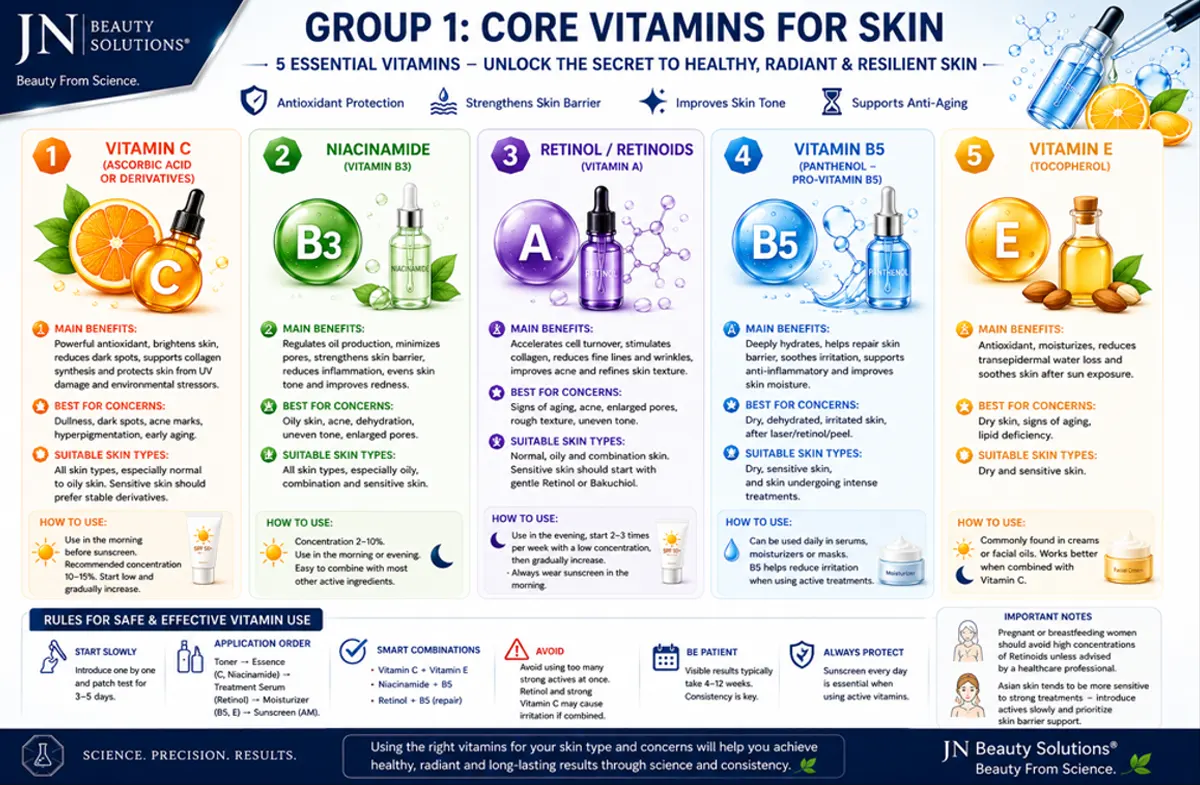
Vitamins and vitamin-related active ingredients play an important role in modern skincare thanks to their antioxidant properties, ability to support skin barrier repair, improve pigmentation, support anti-aging, and optimize the skin’s biological environment. Each vitamin has unique characteristics and is suitable for different skin types or aesthetic concerns. Choosing the right active ingredients and using them correctly will help optimize skincare results in a more scientific and safer way. CORE VITAMINS IN SKINCARE Vitamin C (Ascorbic[...]
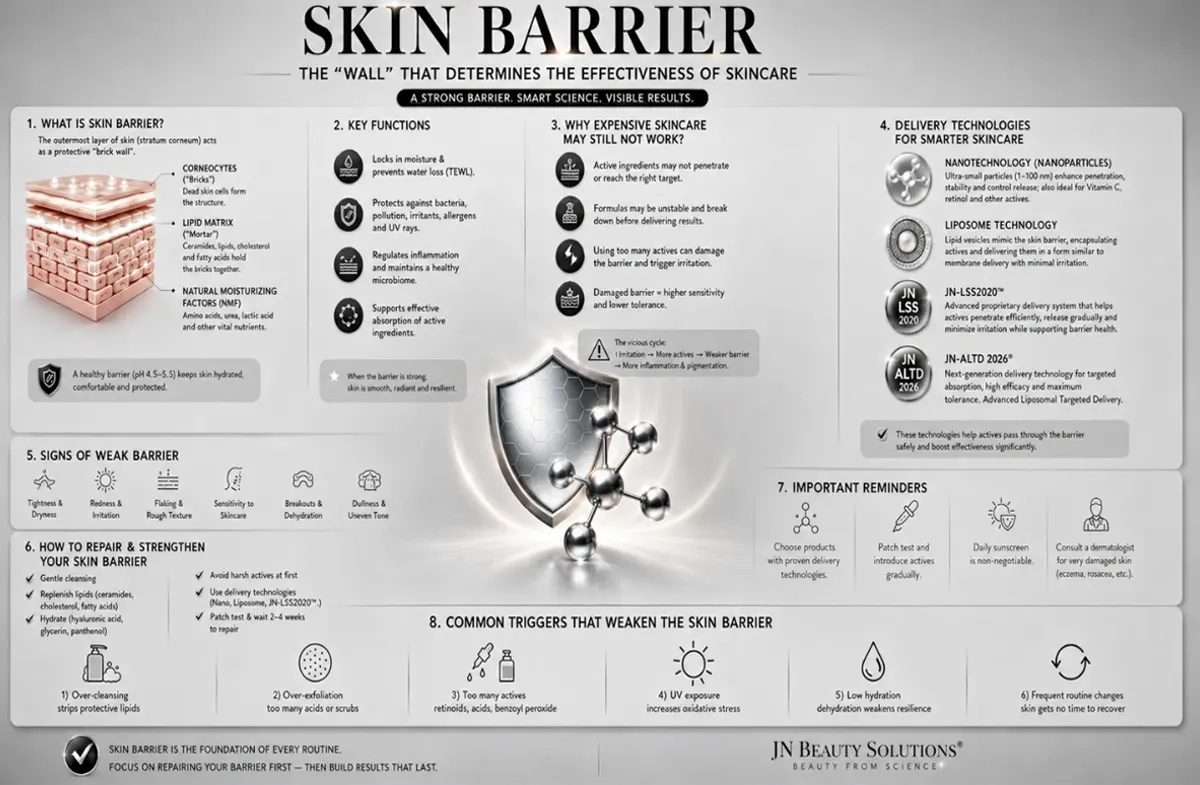
The skin barrier is the foundation that determines whether the skin can maintain hydration, resilience, and biological balance. When this barrier is healthy, the skin is generally softer, less reactive, and better able to respond to skincare products. In contrast, when the skin barrier is weakened, the skin may become tight, dry, flaky, warm, easily reddened, prone to breakouts, and more sensitive even to products that are normally considered gentle. Many people invest in premium serums, peptides, vitamin C, retinoids,[...]
Beauty TipsAdmin2026-08-14T04:58:14-07:00